(Presentation at Harvard University: MA. Srnic – New Media Genres ) The first-year students of The Faculty of Culturology in Osijek (Croatia, Europe) had to make experiments with glasses, light and liquid as a topic named “Creative Glasses” while attending “New Media Genres” board, lectured by M.A. Vesna Srnic, Art Historian and professor of Comparative Literature. Students have inventively made photographs of glasses as the abstractions, using only their cell phones! The aim of this project, realized at the seminary, was to encourage students to explore and reinvent the Reality with a new approach to seeing.
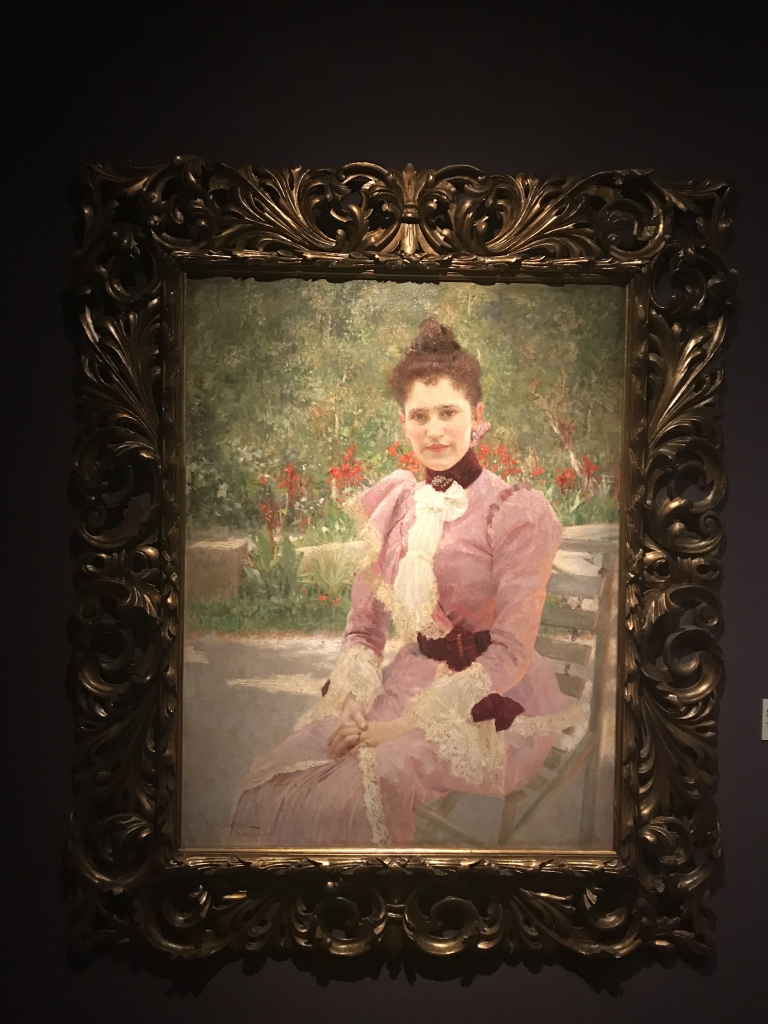
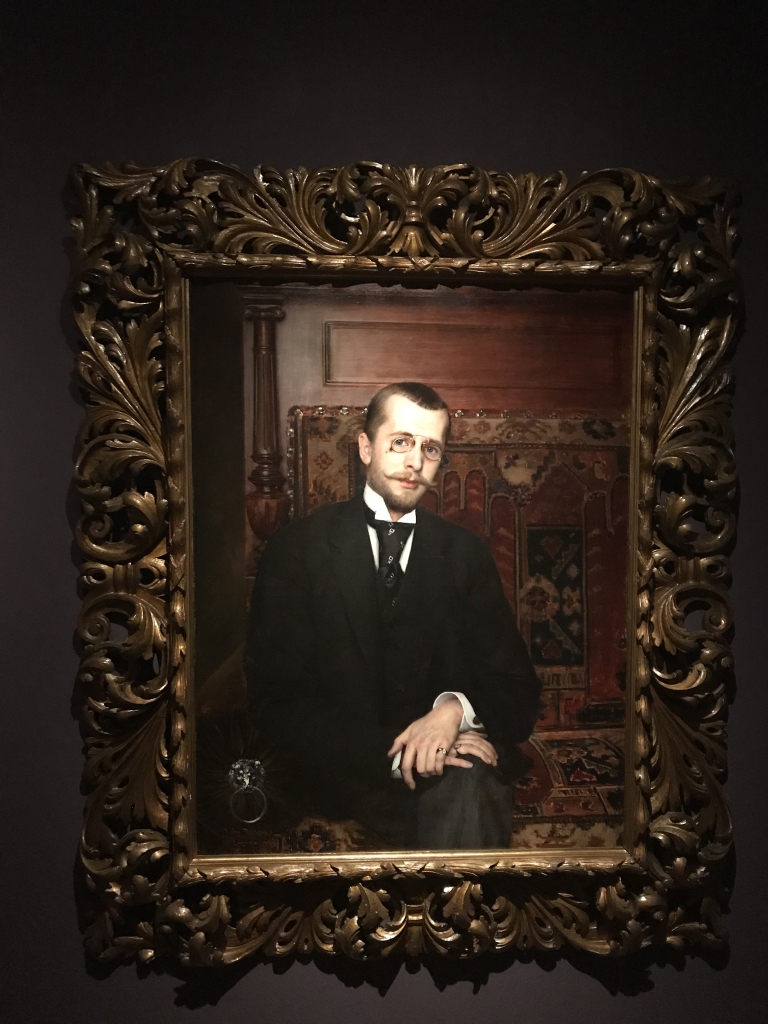
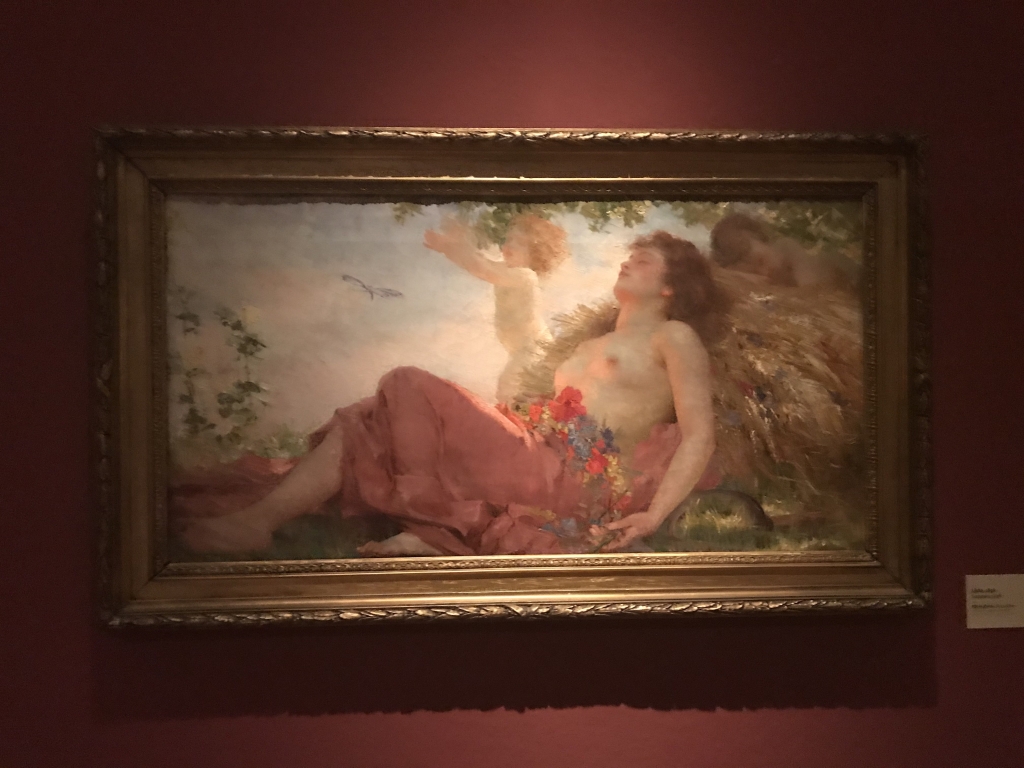
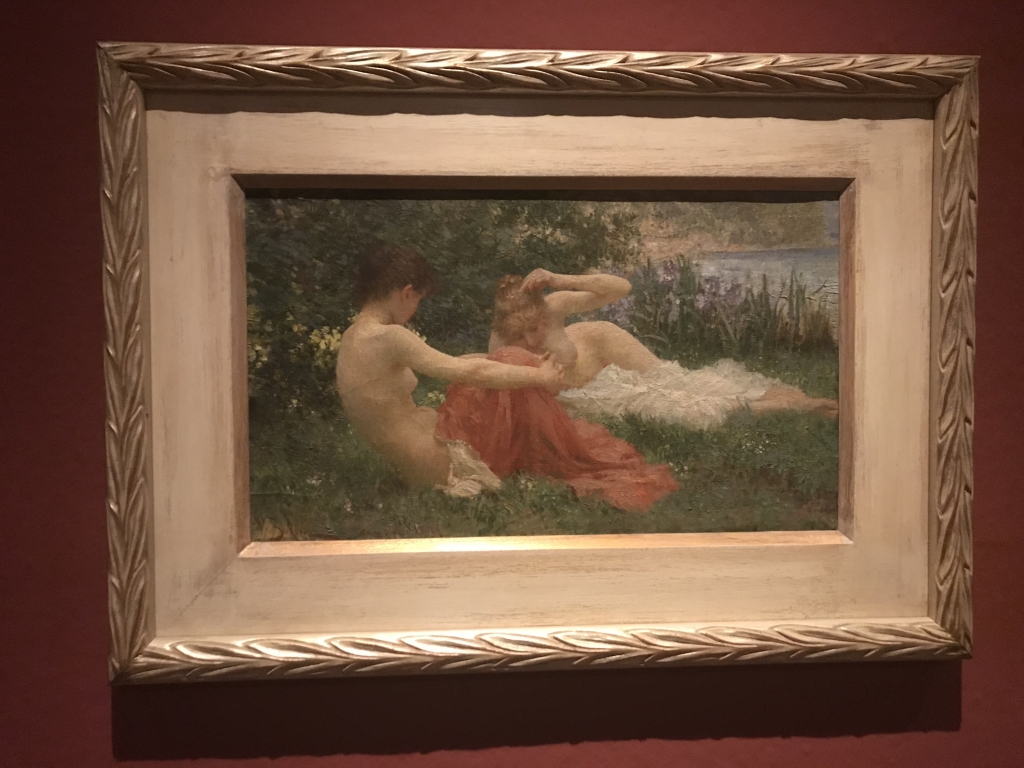
The recent exhibition of the Dalmatian painter Botteri Dini in Zagreb Klovićevi dvori (till 6.2.2024.) matches the quality of new controversial book by the world-famous Slovenian philosopher Slavoj Žižek, known in the West as “the most dangerous atheist and leftist”.But we think that Žižek’s preoccupation with Badiou’s concept of “the event” did not solve the process nor performativity in art.
“More than 100 public works by Josip Botteri Dini can be seen all over Croatia and the world, such as the stained-glass windows in the Church of the Holy Cross in Siget in Zagreb or the monumental frieze History of Split in Hotel Zagreb in Split. Monumental stained-glass windows and mosaics adorn the Church of St Leopold Bogdan Mandić in Melbourne, Australia, as do the stained glass, mosaic, and paintings in the Church of Christ the King in Porto D’Ascoli, Italy.
Contemplating the spirit of the times, he created a unique oeuvre within contemporary art, especially in the field of religious art, with recognizable and distinctive artistic interpretations of biblical content. It is precisely in this area that Josip Botteri Dini has a prominent place within domestic and international art.” (Josip Botteri Dini – A retrospective, Klovićevi dvori, Zagreb)
A unique insight of a theological project Christian Atheism, as a new book of worldly famous Slovenian philosopher Slavoj Žižek, brings us the exploration of his religious thinking: “This affirmation of Christian theology whilst simultaneously deconstructing it is familiar Žižekian move, but one that holds deep-seated political, philosophical and, in the end, personal import for him”. Boštjan Nedoh adds: (…) “Žižek makes it clear why Christian atheism is the main concept of every true materialism”. (Bloomsbury Academic)
But we think that Žižek’s preoccupation with Badiou’s concept of “the event” did not solve the process nor performativity in art.
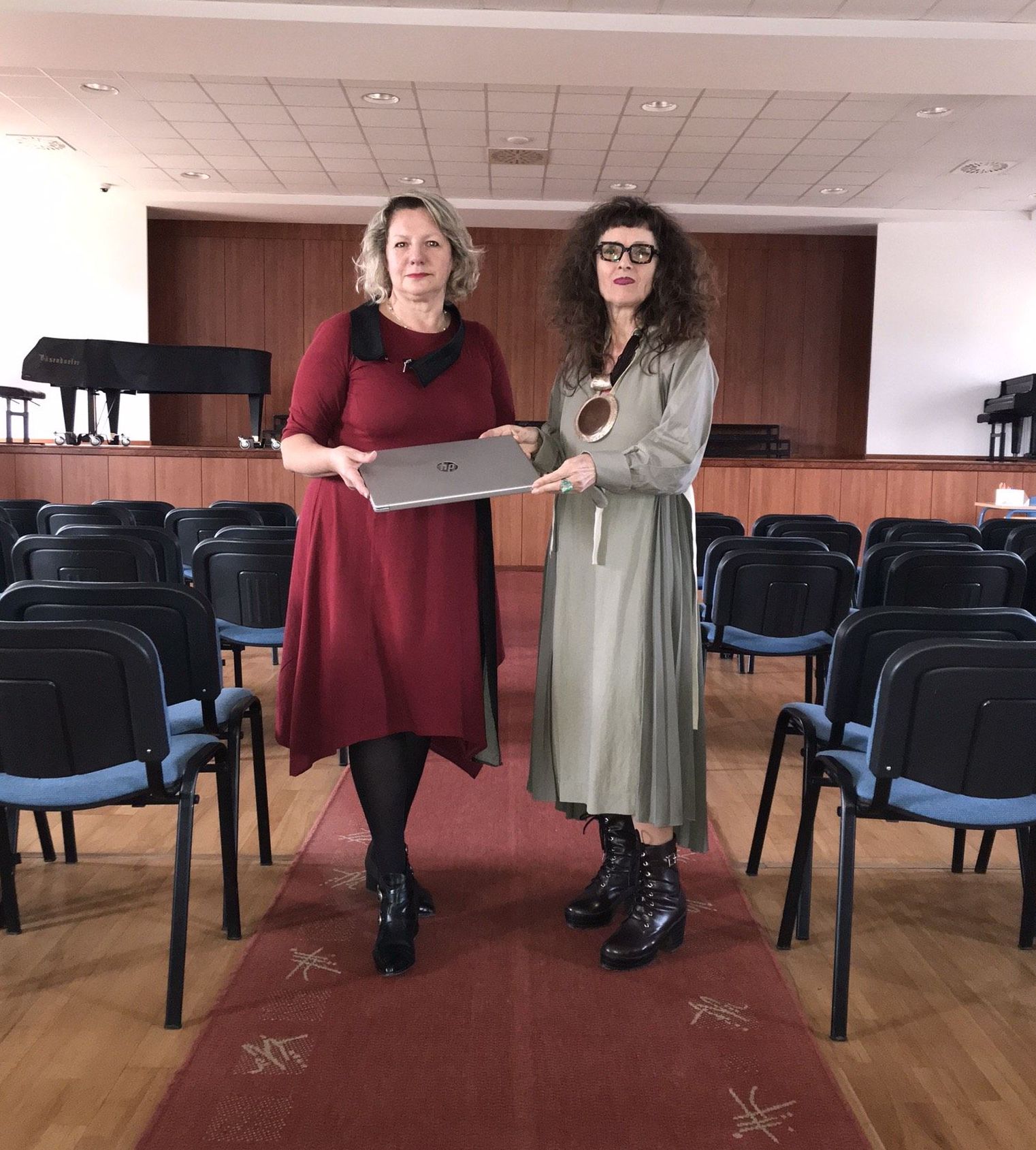
The non-governmental organization Culture, Media and Education – ARTHEA has started a new performative project by donating a laptop to the Music School in Slavonski Brod. The president of ARTHEA Ph.D Vesna Srnic, who is also the author of the forthcoming project, has handed the laptop to the headmistress, professor Mirela Jagodić.
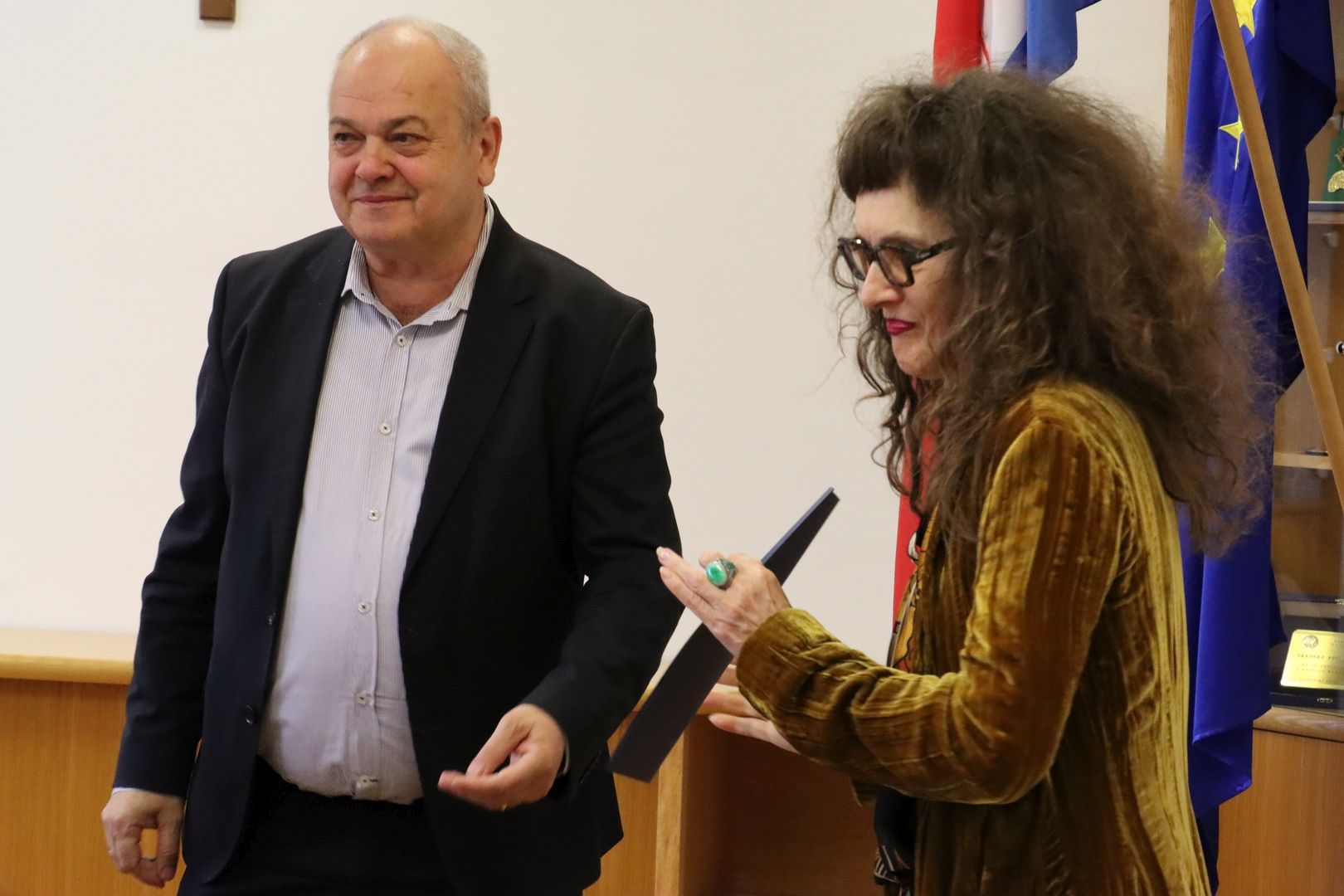
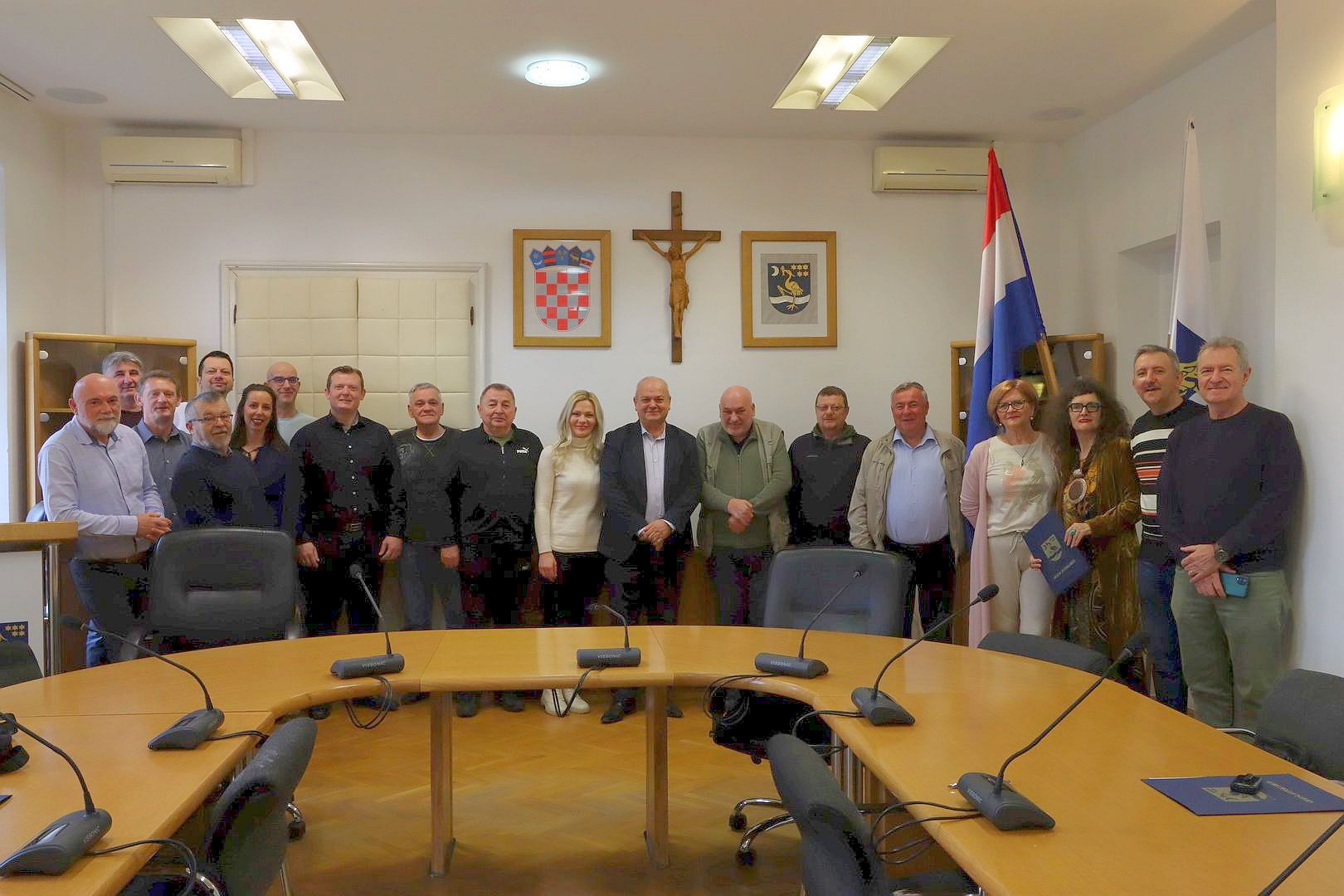
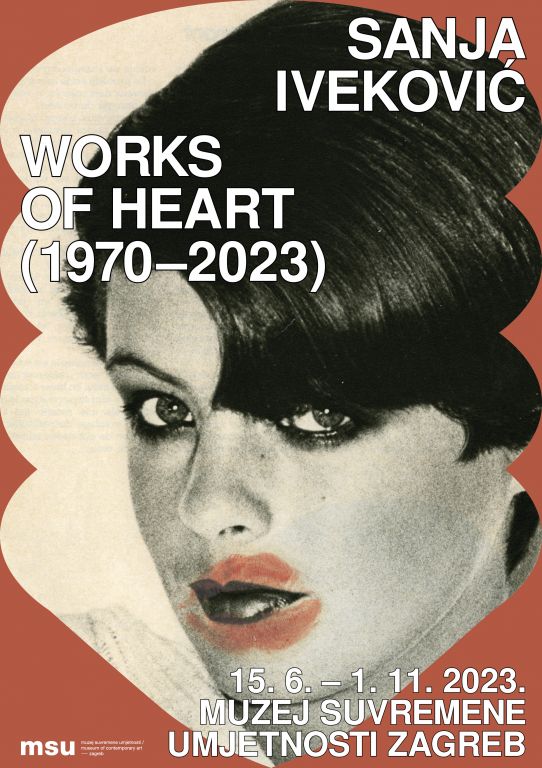
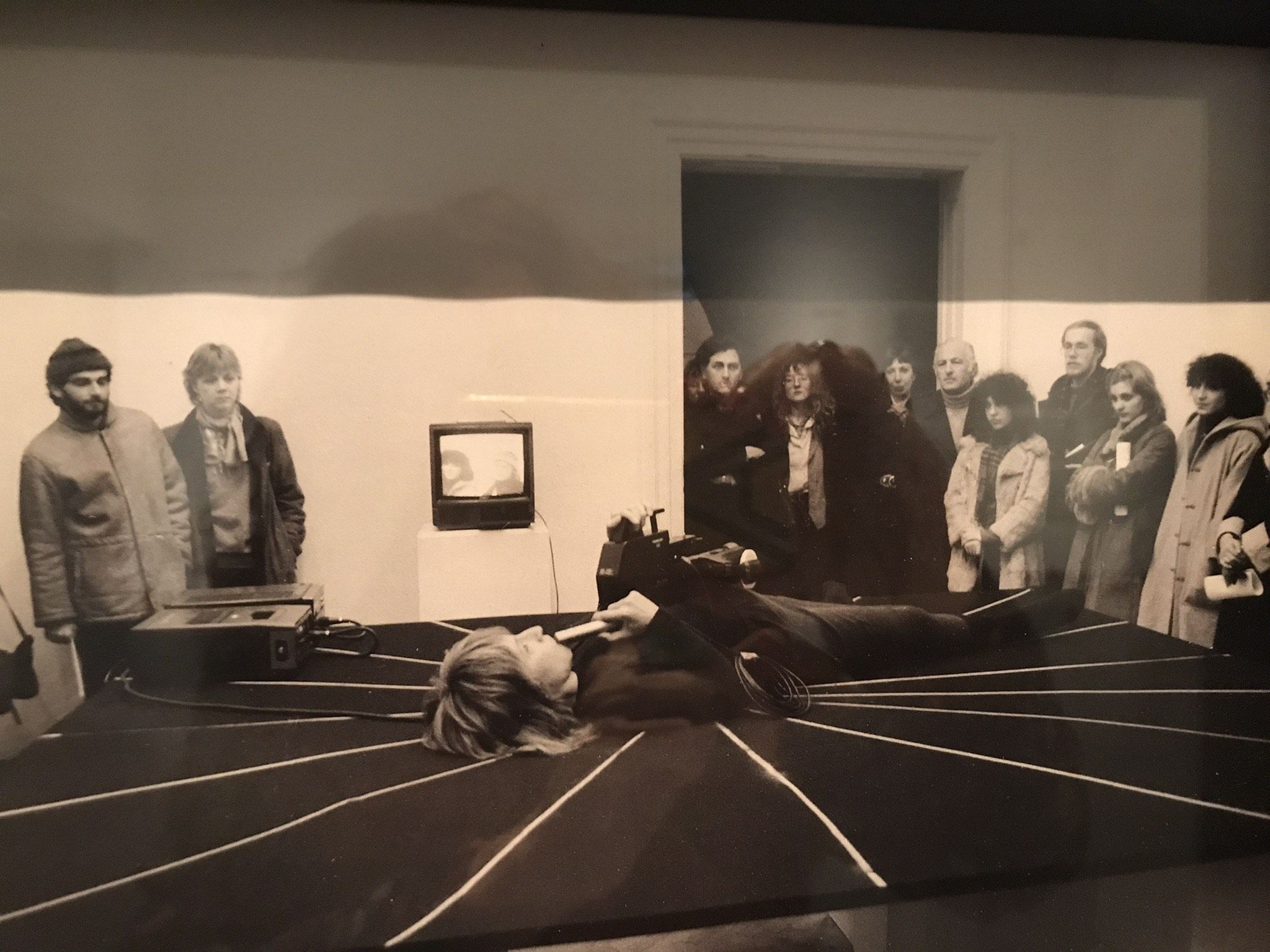
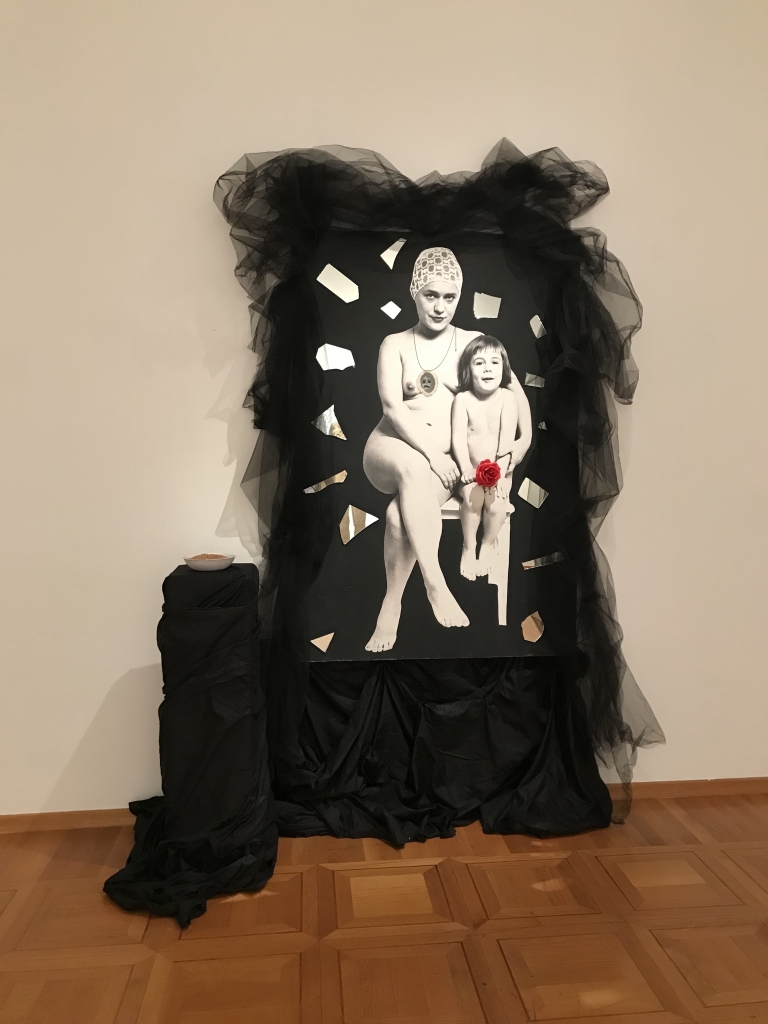
Media-via president PhD Vesna Srnic visited the Museum of Contemporary Art in Zagreb and saw the exhibition of the avant-garde video art artist Sanja Iveković, with whom she once made an interview for the Croatian magazine Svijet. Sanja is a fighter for women’s rights, for anti-fascism and in this sense she is known for her sculpture the Pregnant Memory (Lady Rosa of Luxembourg) installed in prestigious world museums (MOMA, New York, Luxembourg)…
Sanja Ivekovic and dr Srnic have known each other since 1980. while as a student of art history dr Srnic worked in the Gallery of the City of Zagreb (today MSU) in Gornji grad. And Media-Via president is pleasantly surprised when she sees herself in the photo of a document of one of Sanja’s dramatic works.
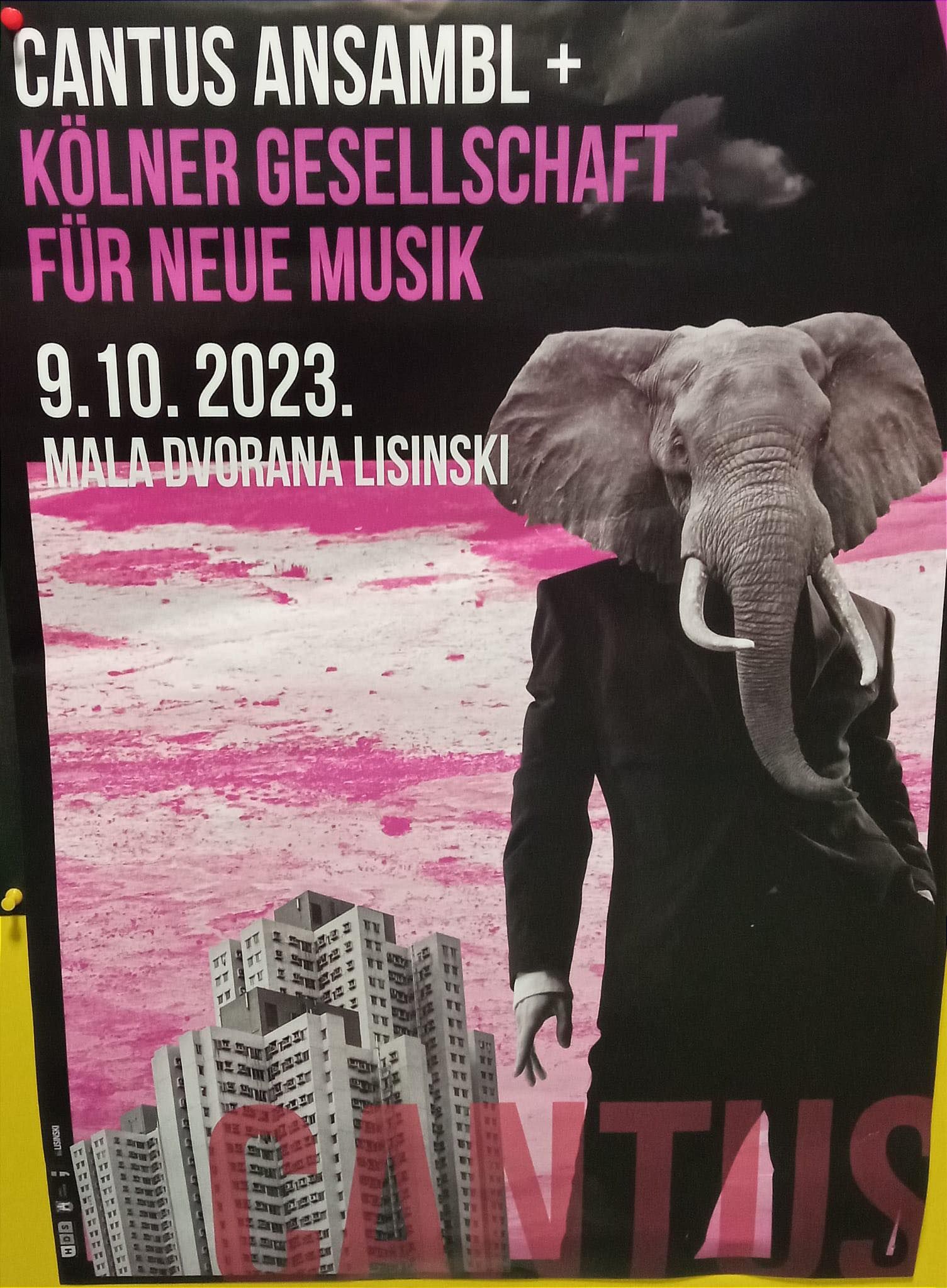
Croatian Cantus Ensemble has been developing successful artistic collaborations with several related ensembles in Europe and the world for years. On Monday, October 9, 2023 they were joined by the flute ensemble Kölner Gesellschaft Für Neue Music – KGNM. In the preface of the program we read about the witty combination of tones of the German ensemble and Cantus at HDS (Croatian Society of Composers): “Ka-Ge-eN-eM + Ce-A-Ha-De-eS = NEW MUSIC!” is the winning formula of the first concert of the new season under the conductorship of the artistic director of the Cantus Ensemble, Berislav Šipuš”.
The following compositions were performed:
KGNM: Magdalena Buchwald – Syrinx II KGNM: Igor C. Silva – We Live in a Bubble Cantus Ensemble: Zlatko Tanodi – Cyborg KGNM: Georg Heike – Stimmungen
KGNM: Anne La Berge – Conduits Cantus Ensemble and KGNM: David Batinić – Echoes of alienation (first performance) Cantus Ensemble and KGNM: John Hawkins – Divisibility
The announcement of new music is always exciting, because it opens up a field of synchronicity with the present moment. In the company of lucid art theoretician and excellent music connoisseur Dr. Kruno Martinac, we problematized the relationship between the “old” and the “new”. Dr. Martinac stated the point of view that old music in every performance is always new music at a given moment. The interesting point of view in which the old is intertwined with the new and actually apostrophizes tradition as a process, I personally considered insufficiently distinguishable: what, in my opinion, appears as new in New music has its own syntax that is not only manifested in the way of performance or synchronizing the old with a new moment, but contemporaneity and synchronicity are already given in the composition, in the manner of indeterminacy and aleatorics. Tonight’s concert still brought some overtones of the already mentioned “matrix of new music”, I would say like Cage (Water walk in We Live in a Bubble) or as Dr. Martinac felt it like Stockhausen (Stimung, although the vocal performance in Stimmungen “was like singing into an instrument”)… Tonight’s new music types are all written compositions that mostly control “chance”, but the musicians experimentally exposed themselves to the audience’s proximity and feedback during the all-sensing, interactive performance of Heike’s just-mentioned composition Stimmungen – entering the audience. Digitization of sound is part of the imaginative performance of We Live in a Bubble, and the humane perception of technology was contributed by Cantus’ performance of the Zlatko Tanodi composition – Kiborg.
NGO Culture, Media and Education – ARTHEA president Dr. Vesna Srnić is honored with an agreed collaboration with the Cantus Ensemble on the spring performance in 2024.
Culture, media and education – ARTHEA and I personally, as the president and author of the project, strive to introduce a new artistic practice into intergenerational education and influence the progressiveness of the agency system and culture in a local and global sense.
It is difficult to express in words about such a complex and demanding visual and sound performance! That is exactly why it is titled as “Modular Performance: The Lighthouse of Slavonska Brod”. It is about the simultaneous orchestration of a performative action, multimedia tasks for students and an online scientific symposium with professors and doctors from Croatia and abroad! The performance consisted of a visual part (creating the lighthouse) and a sound part (generated plant sounds).The project was supported by two ministries: the Ministry of Science and Education and the Ministry of Culture and Media of the Republic of Croatia and the City of Slavonski Brod.
The Civil organisation Culture, Media and Education – ARTHEA is preparing sounds for performance art – Modular Performance: Lighthouse of Slavonski Brod (Croatia).
1.4.2023. / 12:05 – 12:20 p.m., on the town square / Live streaming at https://www.facebook.com/profile.php?id=100009361466293 Scientific/artistic performance on intergenerational education, online scientific symposium with multimedia seminar for the UNISB students.
Dr Srnic was an official speaker at the World Education Summit 2023 in the United Kingdom, from 20 to 23 March 2023. The WES website address is https://www.worldedsummit.com/ and the section is Educators-Platform/Research Bites. Dr. Srnic spoke about her scientific and artistic works in the video presentation Modular Performative Education as Science.
Dr Srnic is invited to be an official speaker at the World Education Summit 2023 in the United Kingdom, in March. You can find her speaker profile on the WES website here: https://www.worldedsummit.com/speakers/dr-vesna-srnic/, as well as announcement and session graphics. She will speak onher scientific and artistic works inModular Performative Education as Science presentation.
Writing lucidly, visualizing enigmatically, Kipke the artist lives a hermetic reality and existential sensibility, but has to avoid quick statements in that singular Image of the World.
Kipke shows the degrees of his belief, moving from a magic trick to an effort to prove authenticity, all through the hard work.
Dr Vesna Srnic, docent
More on the exhibition:
8th December 2022 to 29 January 2023, the National Museum of Modern Art, Zagreb
In front of the Art Pavilion in Zagreb, the artist Kata Mijatovic set up a small black house without doors and windows, slightly larger than a dog’s house. But the house hums, generating a mechanical threatening sound of some machine…
Without the ancient good, beautiful and true, without the human dominance over technology, only the power for dominance and fear of other people produces a black threat of dead Art…
New performance Glocal Art of Aging is a strong performative symbol and a unique field of knowledge – the image of the meeting of young and old is an INDICATION OF THE PROBLEM in Western culture that needs to be addressed on many levels: philosophical, social, cultural and artistic, religious…
Situationally and performatively through the “site-specific” artistic action (city square Ivana Brlić Mažuranić in Slavonski Brod / noon), we will multiply the simultaneous symbolic overlap of intense symbolic encounter of young and old: through the dance experience of three dancers, students (Elementary School I. G. Kovačić and Crafts -technical school) and 80 students on a multimedia assignment (Teacher Training, UNISB) will meet with 5 senior users of the Home for the Elderly and the Infirm. Along with minimalist, contemporary music, three dancers from Zagreb of different generations will perform dance meditation on the Square: retired choreographer and dancer Mirjana Preis, middle-aged dancer Tamara Curić and young student Gita Curić.
All students will be aware of the importance of their existential role “moving to meet the elderly”, university students will be mentors who will guide old people a few meters across the square to meet the young, and young people will give them flowers and cakes… During the meeting three interactive generations of dancers will encourage dancing as “the revolution of tenderness” (Papa, I wish you a smile). Writing about the importance of meeting and listening to “young prophets and old dreamers”, the Pope stressed the need for the reality of wise rooting with the synergy of young, playful enthusiasts with experienced elders who want to make their wealth available to the mutual benefit of growth.
A large number of students will actively participate in the performance by recording multimedia tasks as final works in the course Media Culture (UNISB). In a scientific review of this phenomenon of dialogic actualization of young and old, eminent scientists with glocal addresses will write: Dr Kruno Martinac from Melbourne, Australia, Professor Ph.D Lino Veljak and Assistant Professor Suzana Marjanić from Zagreb, then psychiatry specialist MA Jugoslav Gojković and Assitant Professor Ph.D Vesna Srnić from Slavonski Brod who is also the author of the project.
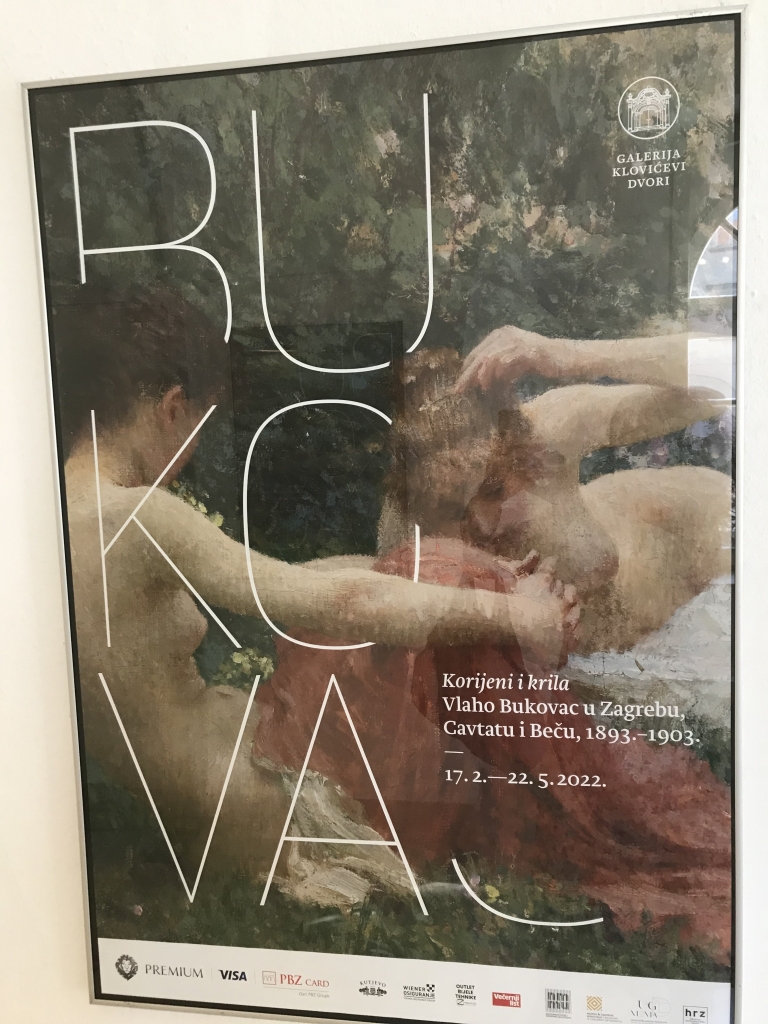
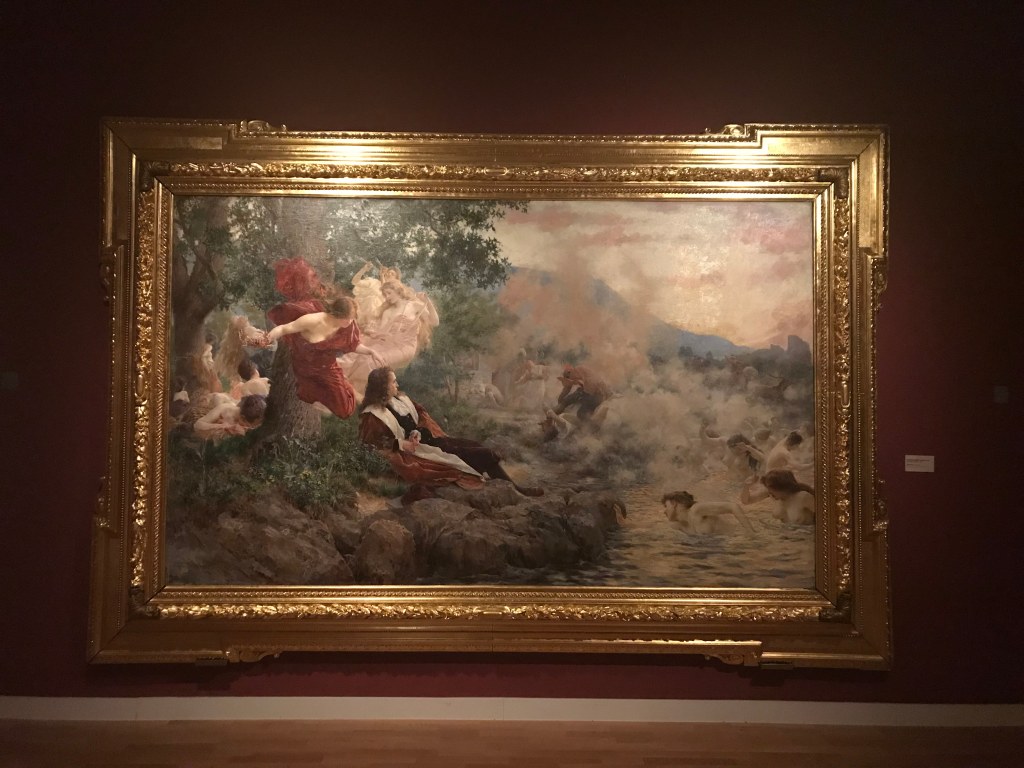
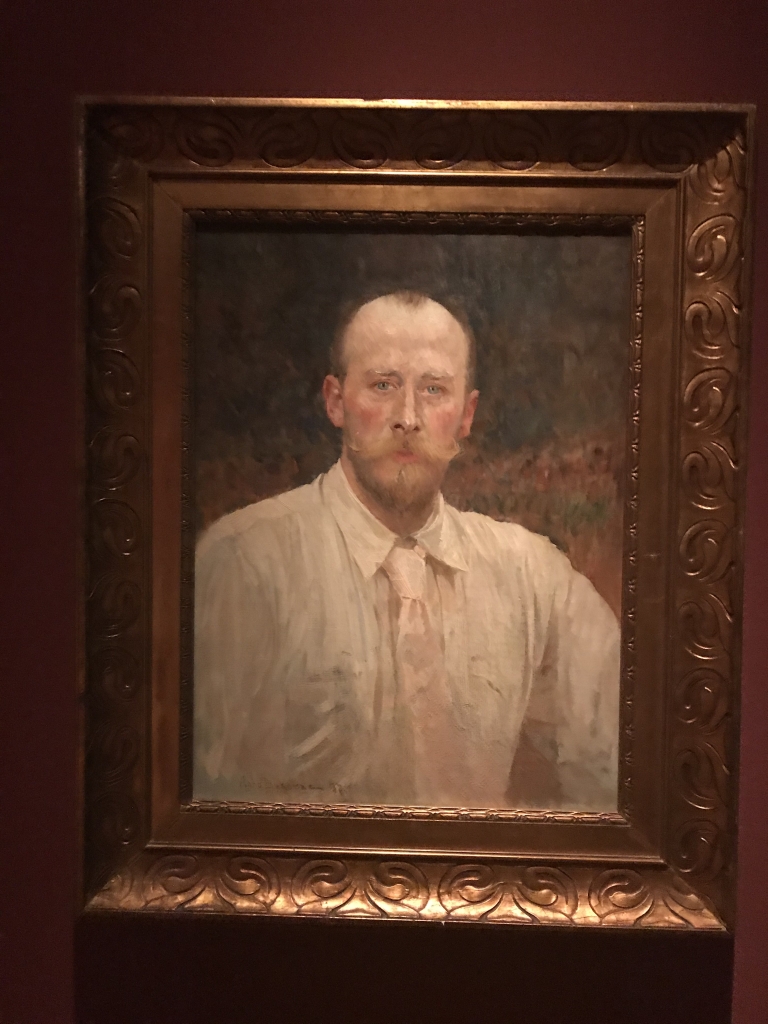
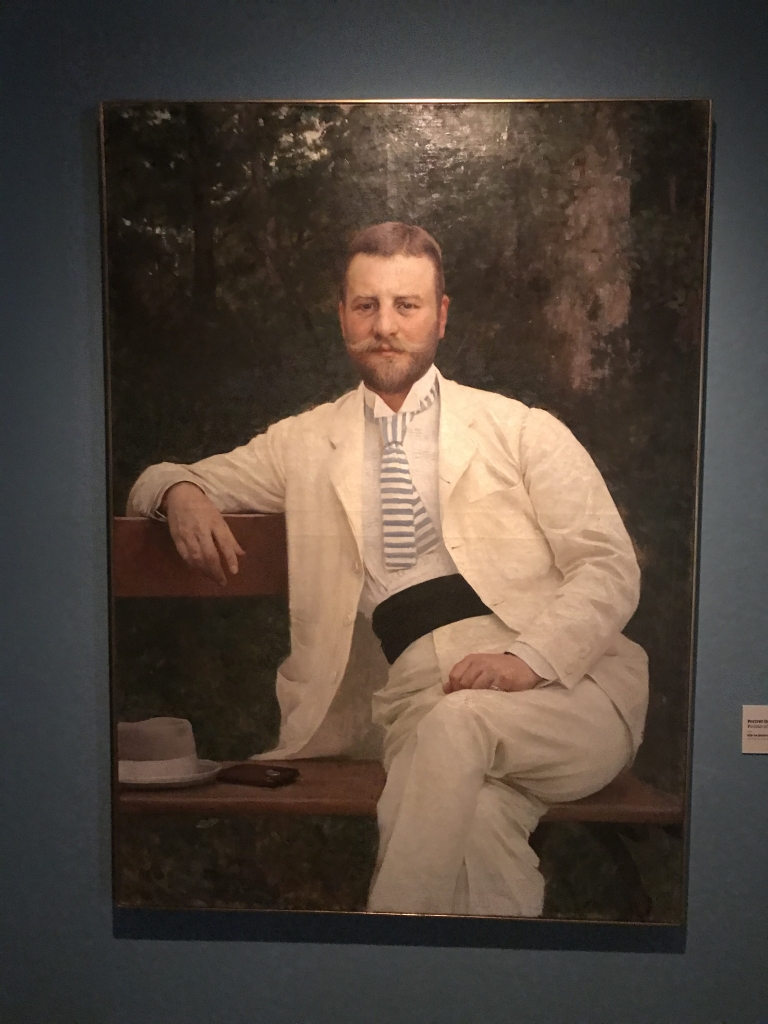
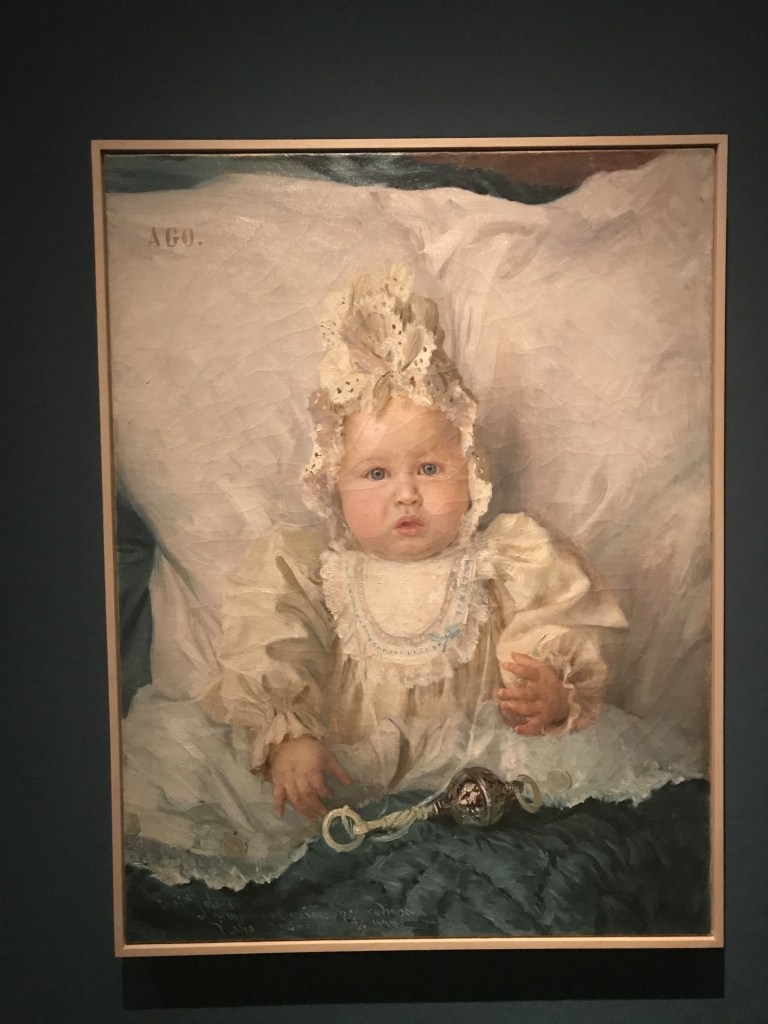
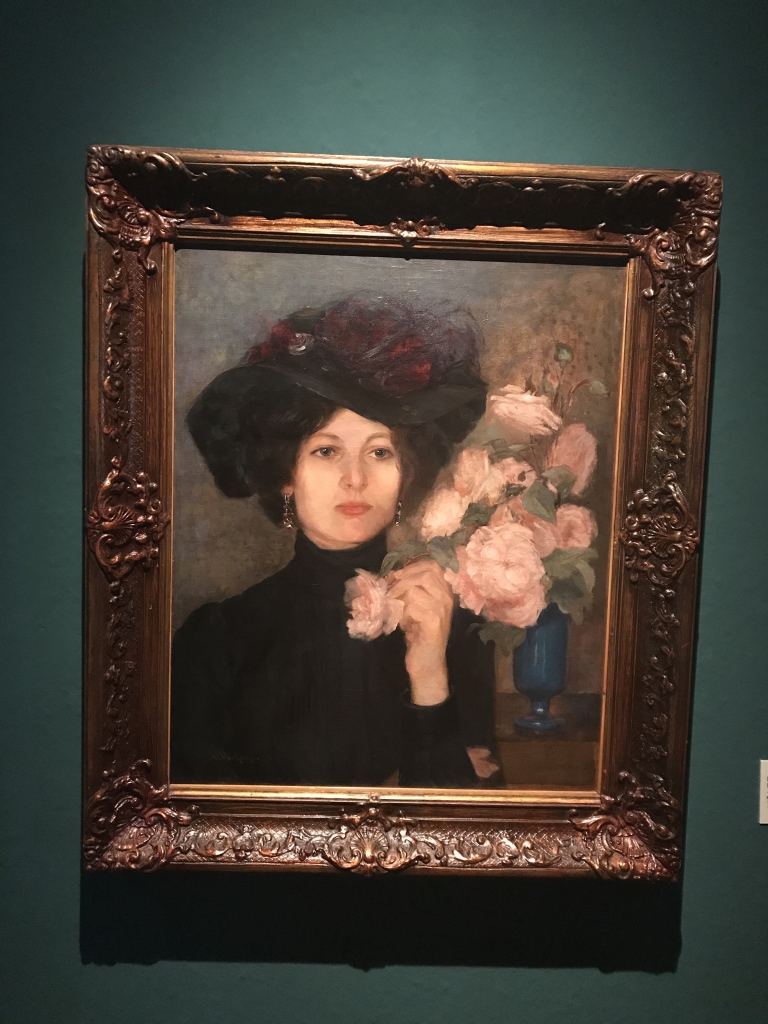
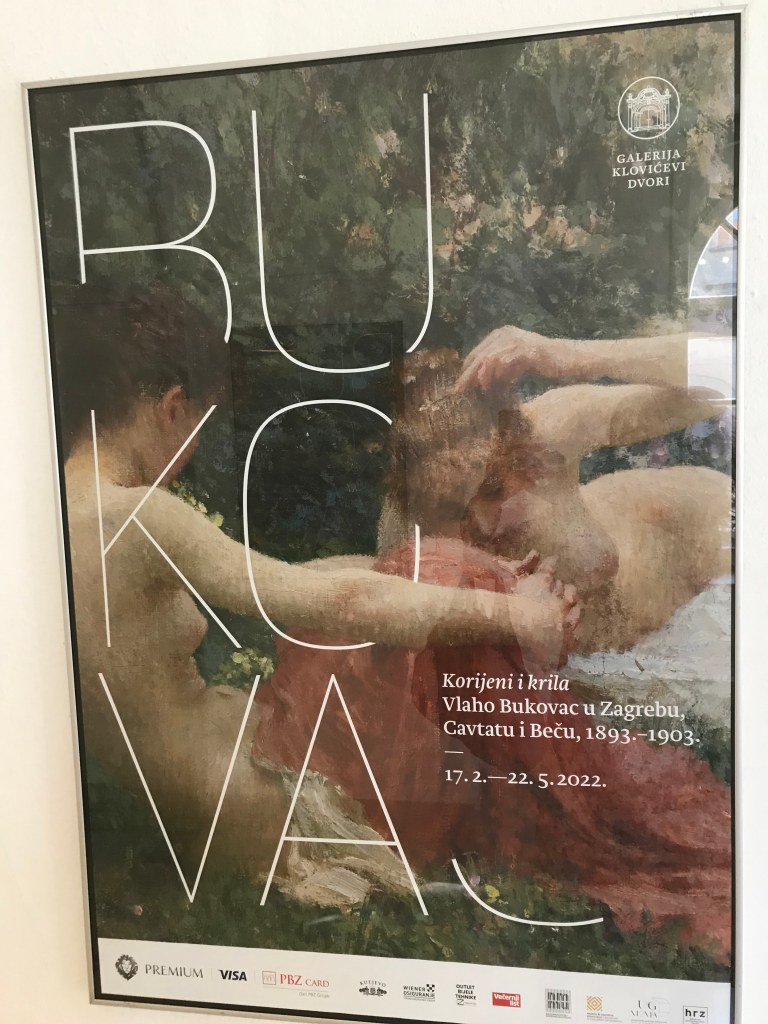
A second exhibition in “the Vlaho Bukovac in Europe exhibition series” in the Klovićevi dvori Gallery is opened from February 17th to May 22nd, 2022, in a year in which we commemorate the 100th anniversary of Bukovac’s death. The theme of this long-anticipated second exhibition is Bukovac’s life and the development of his Zagreb oeuvre, when he became the central figure of public cultural life, a great mentor to a young generation of artists, and when his seductive colorism influenced a whole generation of Zagreb painters, named the Zagreb School.
The first exhibition, Vlaho Bukovac in Paris, 1878 – 1892, held in 2018, dealt with his amateur work in North America, his schooling and professional maturation in Paris, short work stays in England, as well as fruitful breaks in Croatia, until his final return home.
On 27th March, 2022 because of the covid infection of moderator Srećko Horvat, Philosophy theater’s substitute Boris Buden was engaged to talk to the guest from Slovenia – Dr. Renata Salecl.
PhD.Renata Salecl (1962) is a Slovenian philosopher and sociologist. She holds a professorship at Birkbeck College, University of London and lectures at Cardozo School of Law (New York), on Psychoanalysis and Law. Her books have been translated into fifteen languages – Sexuation (2000), On anxiety (2004), Choice (2010), A passion for ignorance (2020), Čovjek je čovjeku virus (Man is a virus to man, 2021). In 2017, she was elected as a member of the Slovenian Academy of Science.
Extremely lucid moderator and interlocutor Dr. Boris Buden brought affectivity into the peaceful flow of Dr. Salecl’s thoughts.
She elaborated her critical theory on late capitalist politics, Lacanian psychoanalysis and civic activism. Dr. Salecl stated some well known changes that the coronavirus pandemic brings to our lives. Buden asked her about the type of theory in writing the columns she published in the book on viruses, but she sees it as a column craft, not popular „self-help“.
Moderator asked a very important question on having right to be lazy these days! Salecl negated it. Unfortunately, she did not elaborate on the importance of laziness for creation and art, but only for „doing nothing“ and idleness as such.
Towards the end of the conversation, Buden asked Salecl for her opinion on the current war, and she admitted that she was naive about Russia, that Putin was an enigma to her, adding that he quoted old philosophers like neo-Nazi Dugin and believed in cosmic energy in the Russian people.
An interesting question of the philosopher Buden addressed to Salecl was about the identity of Slovenian philosophy, since books are written in English. Dr. Salecl concluded that it is good they are written in both Slovenian and English, which is more widely read.
Conductor Ivan Josip Skender and Media-Via editor PhD. Vesna Srnić
On the occasion of the 50th anniversary of the Ivana Brlić Mažuranić Concert and Theater Hall in Slavonski Brod, the Zagreb ensemble Cantus performed three contemporary compositions on 27th February, 2022 in its world-renowned style:
Berislav Šipuš – Četiri pjesme sjećanja / Four songs of remembrance Ivana Kiš – na na na na Krešimir Seletković – Suita iz baleta Air / Air Ballet Suite
Conductor: Ivan Josip Skender
Concentration and integrity were holistically woven in demanding sections of aleatory, atonal and asymmetrical music. In other parts mixed-media synaesthetically sounds like those in action or animated films… In moments when the World is buzzing with low frequencies, this music is a gift with its enthusiastic art both when it thunders and when the muses whisper.
The Philosophical Theater of the progressive activist Srećko Horvat on 17th January 2022 hosted the world philosopher Slavoj Žižek at the Zagreb Croatian National Theater (HNK) once again. Collaborators as good friends informally (with some swearing) discussed the world power lines.
Congratulating the distinguished French leftist Alain Badiou on his birthday, they found that the dynamics between the left and the right are disappearing on a global level. Žižek claimed that capitalism is turning into a kind of internationalization of organizations and that he sees a communism in that. Namely, the communism occurs at the level of cooperation of powerful organizations.
Furthermore, Žižek believes that it is desirable to reaffirm the state that gives room for maneuver, because people would like changes, but that it “costs them nothing”. As an opponent of the state’s fetishism, Horvat asked his interlocutor a key question about the status and perspective of the left regarding the fossil fuel economy and the green new deal, thus isn’t the left in contradiction in the search for a “way out”? On the example of Bolivia, Žižek argued that the left must face power/government and stop being too comfortable… no one needs poverty. Horvat encouraged the discussion by claiming that it was a “catch-up” and that in this way the left is doing the same as the right. Žižek noticed the difference: the left should be pragmatic and remove comfort. Horvat opposed the forcing of the state, explaining that the state = nation and affirm that he is an anarchist. Žižek commented on the view that the state is a nation by claiming that Marxism really needs to be corrected. Srećko Horvat insisted on a certain subversive and insider action within the state, since he, as one of the founders of DiEM25, has fought extremely pragmatically on several levels, for permaculture, digital currencies, gender equality, artistic and philosophical emancipation in general – for the common good!
The question from the audience was about contradictions in the left and how to move forward, and in response, both philosophers agreed that progress is possible only with “the pleasant antagonism”! In his humorous tone, Žižek concluded that “there is no freedom for the enemies of freedom” and that “politics is a perverse thing”.
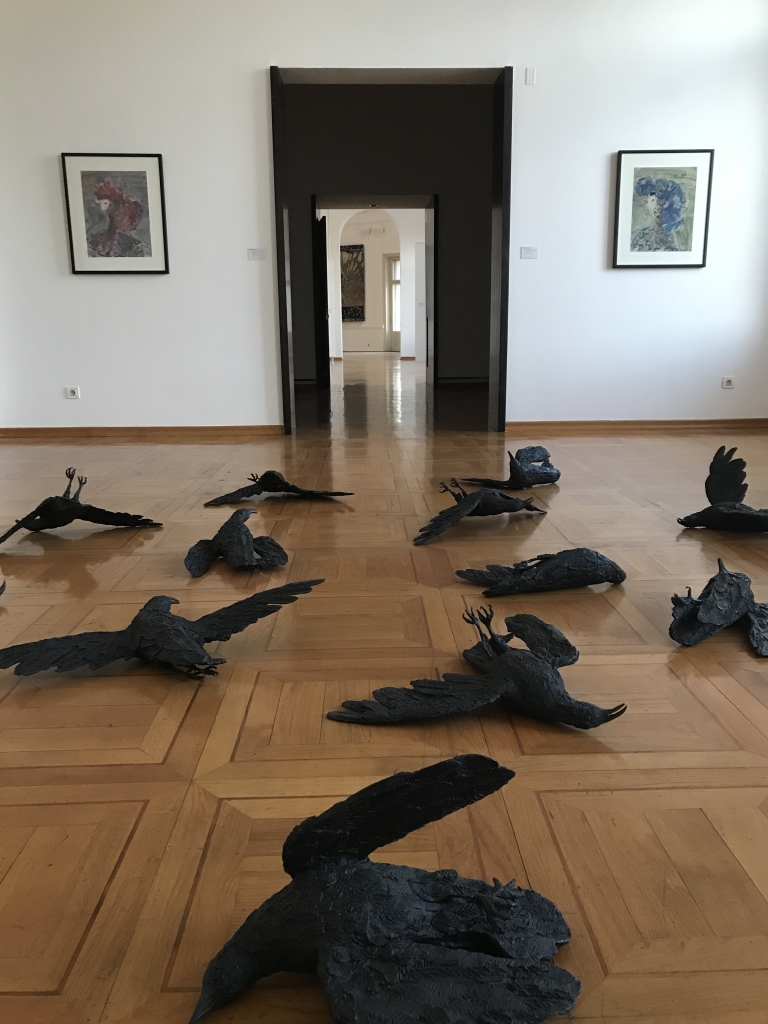
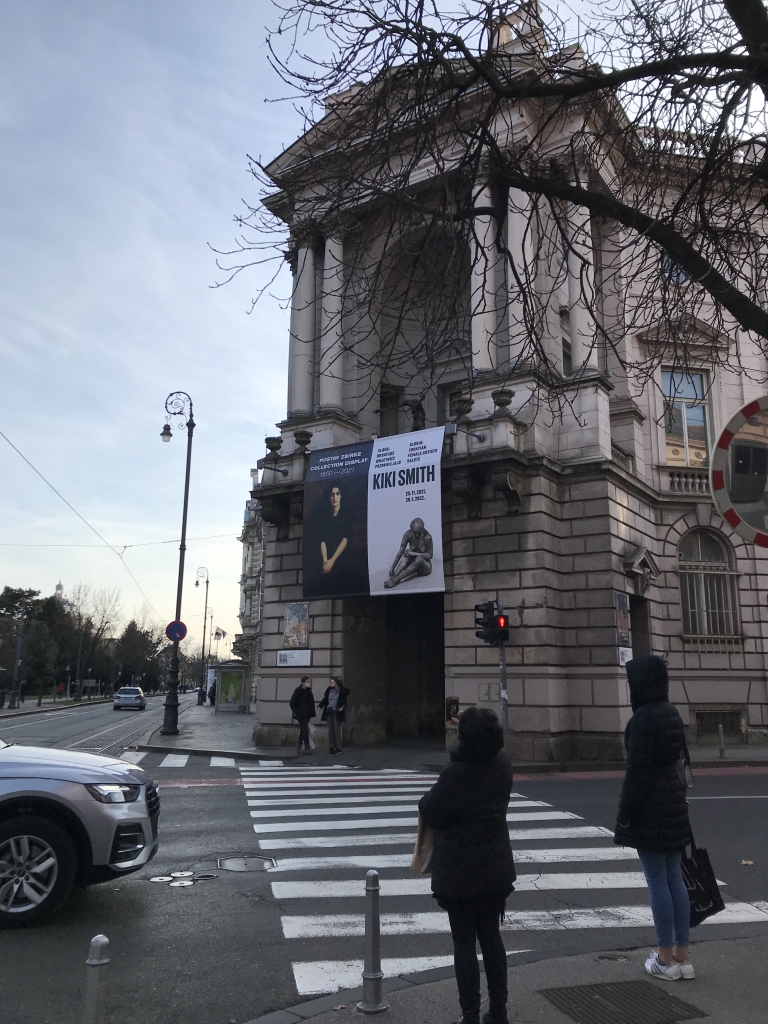
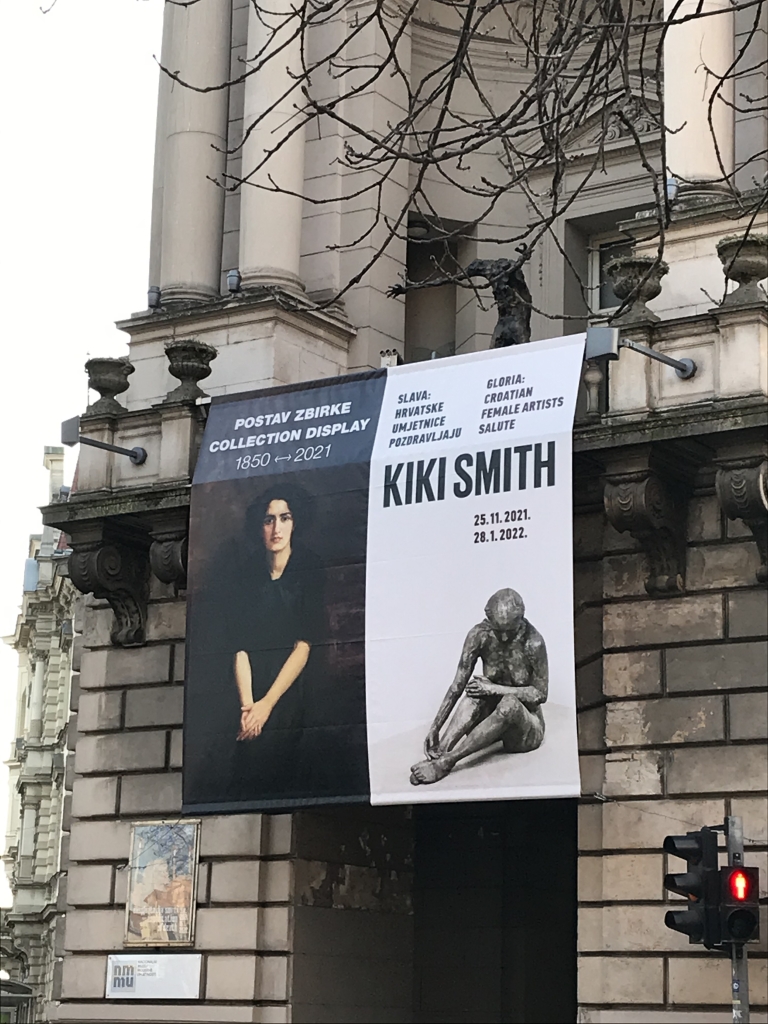
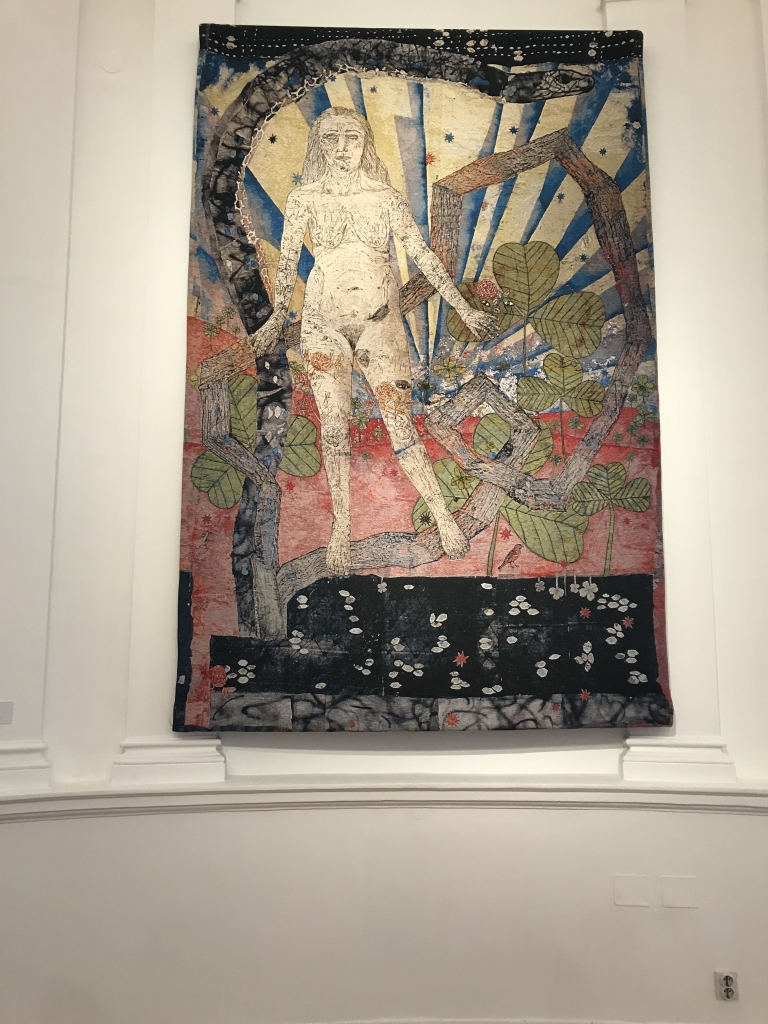
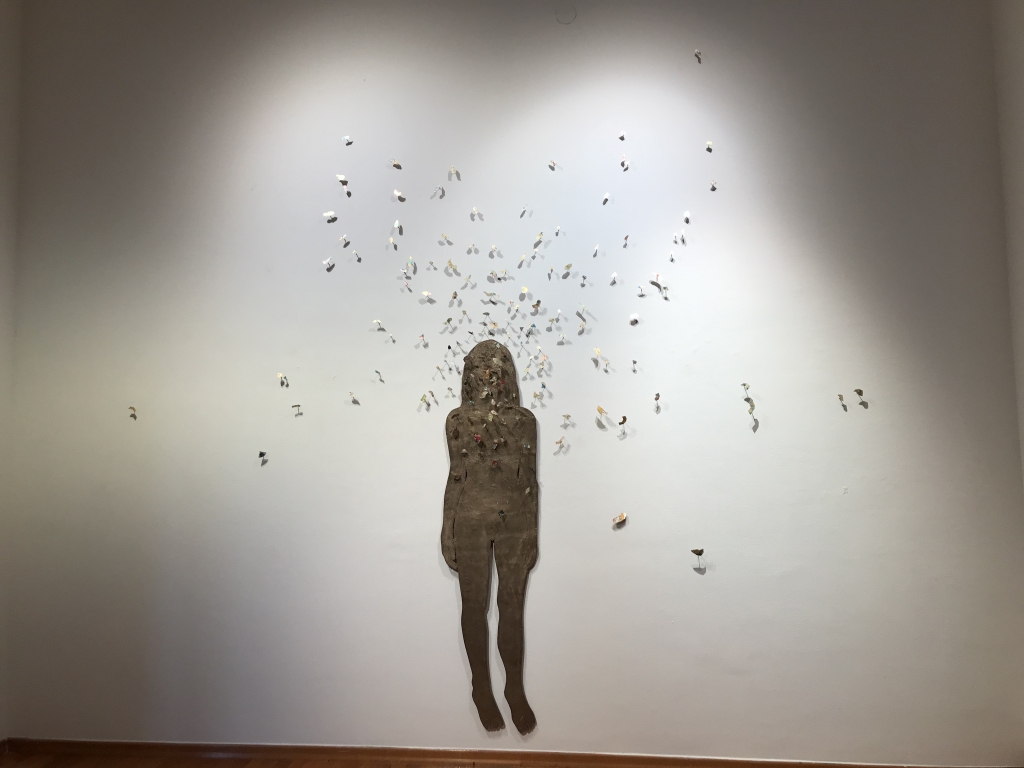
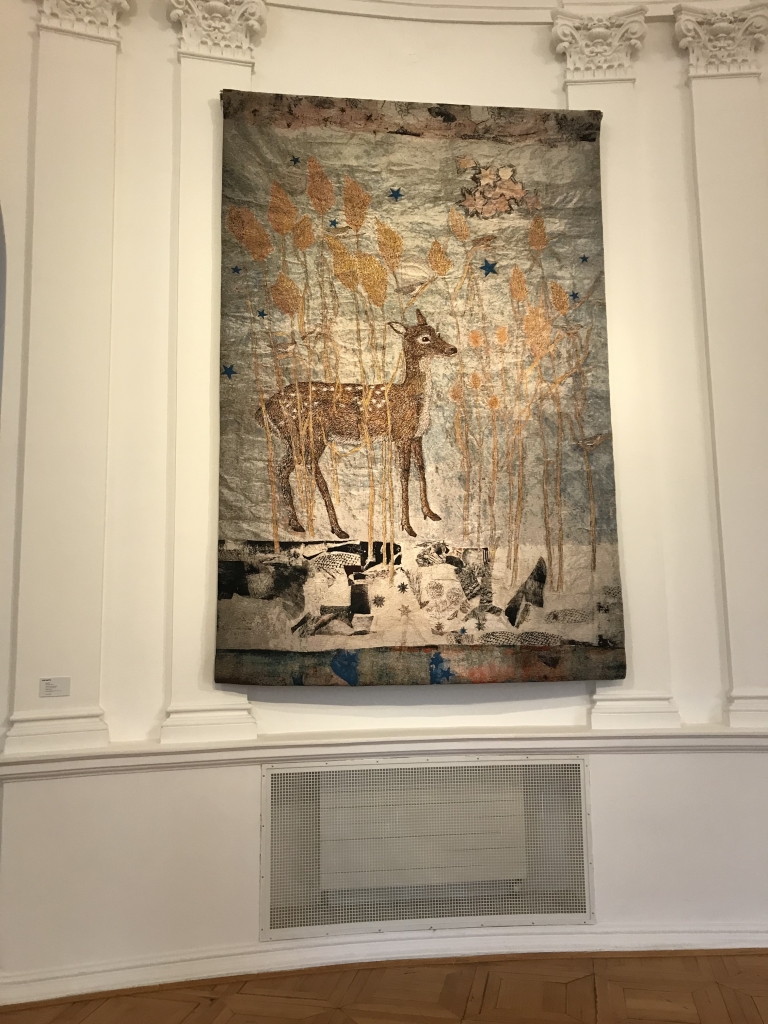
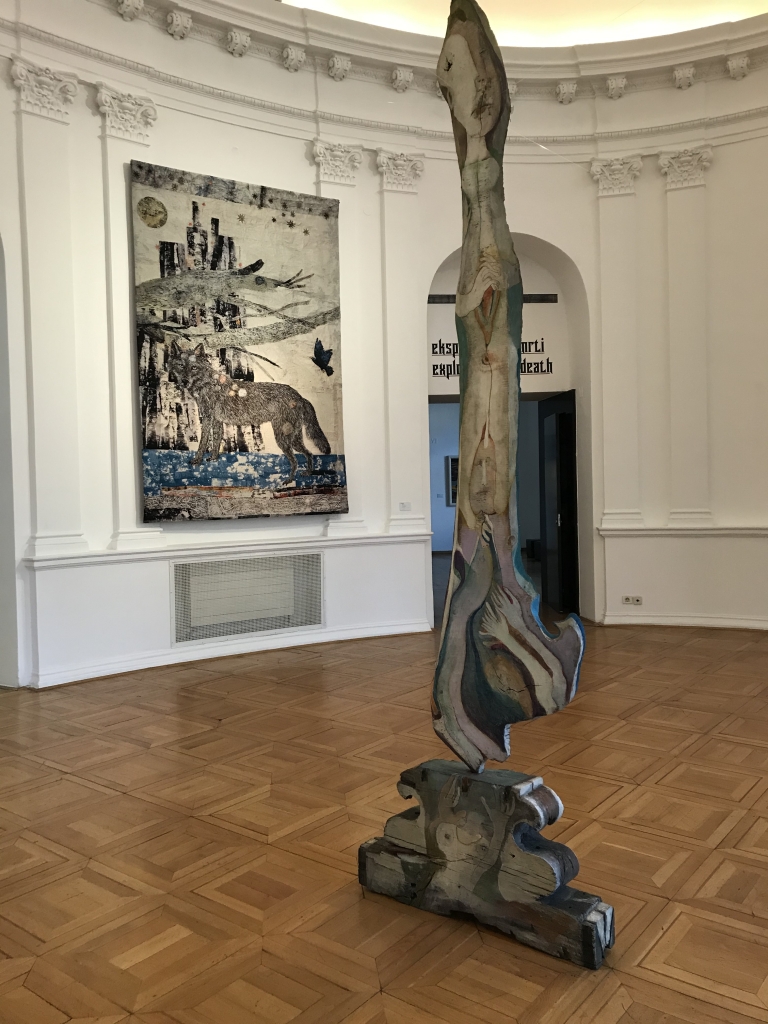
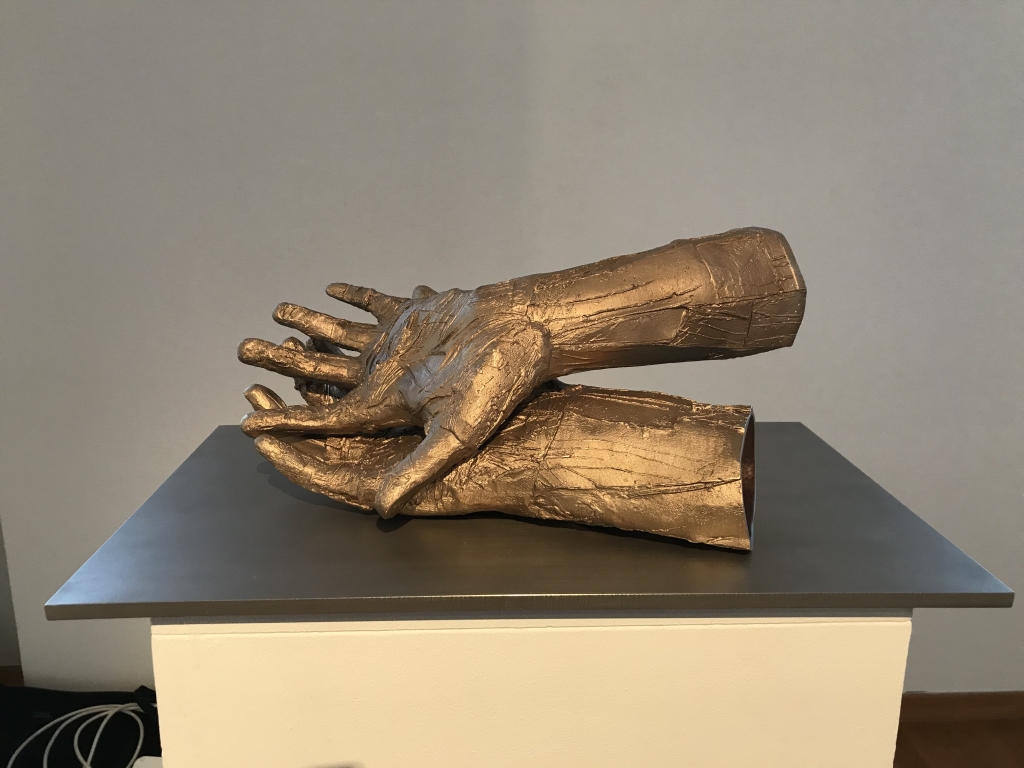
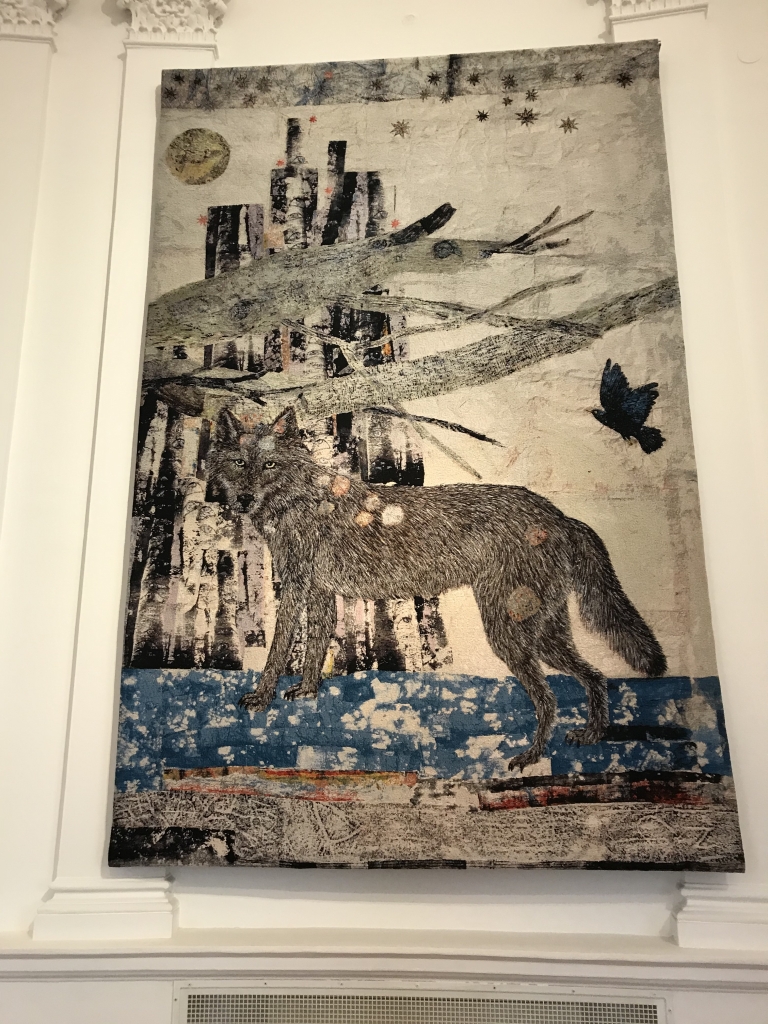
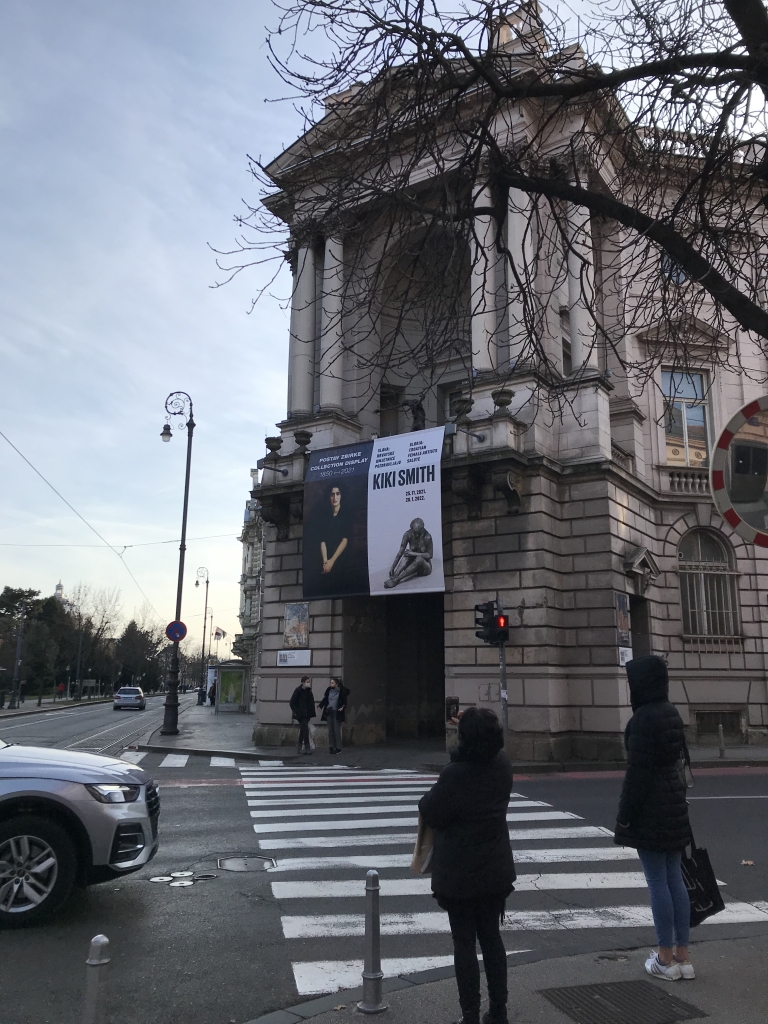
Glory: Croatian artists greet Kiki Smith, presents New York’s authentic artist Kiki Smith (1954) with 19 conceptualized multidisciplinary works (sculpture, jacquard tapestry, installation, drawings and graphics) in comparison with the works of 13 Croatian artists who have created over 100 years – Slava Raškaj, Nasta Rojc, Milena Lah, Nives Kavurić Kurtović, Edita Schubert, Vlasta Delimar, etc. – questioning nature, femininity, physicality and mortality, through “a position of solidarity and sisterhood that transcends all current relations of power and planetary glory” as the NMMU director Branko Franceschi said.
Kiki Smith’s reduced, figurative forms are all the more impressive when they use bodily excretions (saliva, blood, urine) and the weaving principle of female intuition, thus creates in jacquard tapestries what Judith Butler calls “bodies that matter.”
Croatian artists also questioned the feminist preoccupation by tearing down the petty-bourgeois dress code, from Naste Rojc’s riding suit (Self-Portrait with a Horse, 1922) to exposing body of Vlasta Delimar (Untitled, 1991).
In a floor installation Soil, 1998-2018 with an impressive fifteen dead crows, Smith accentuated
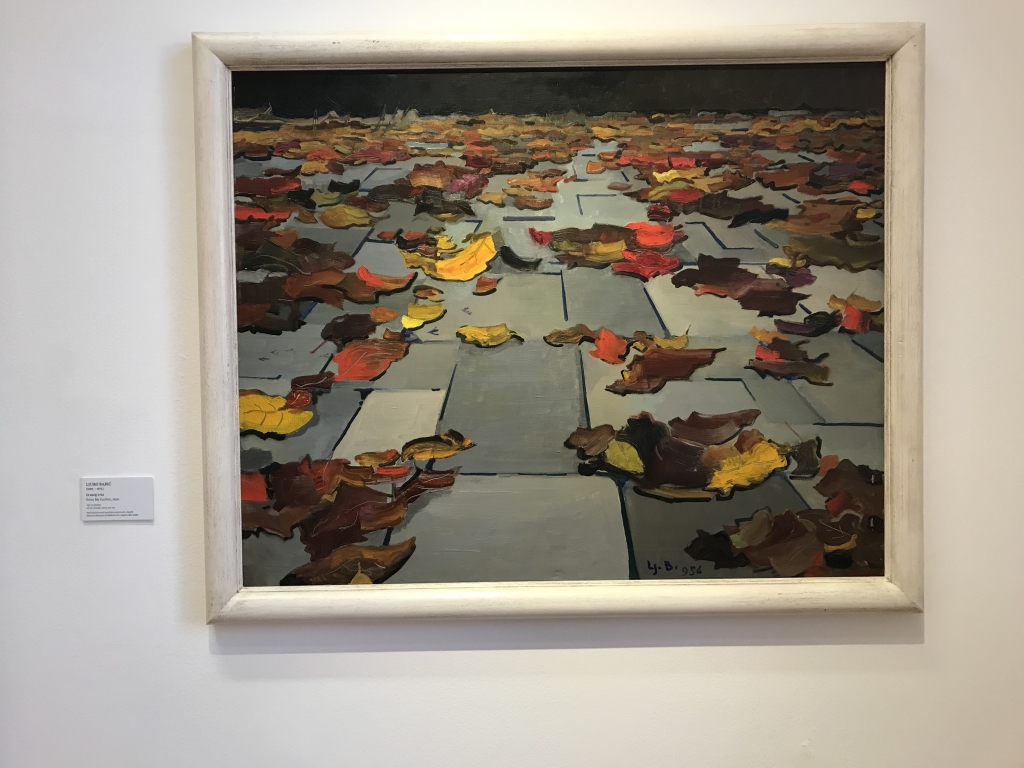
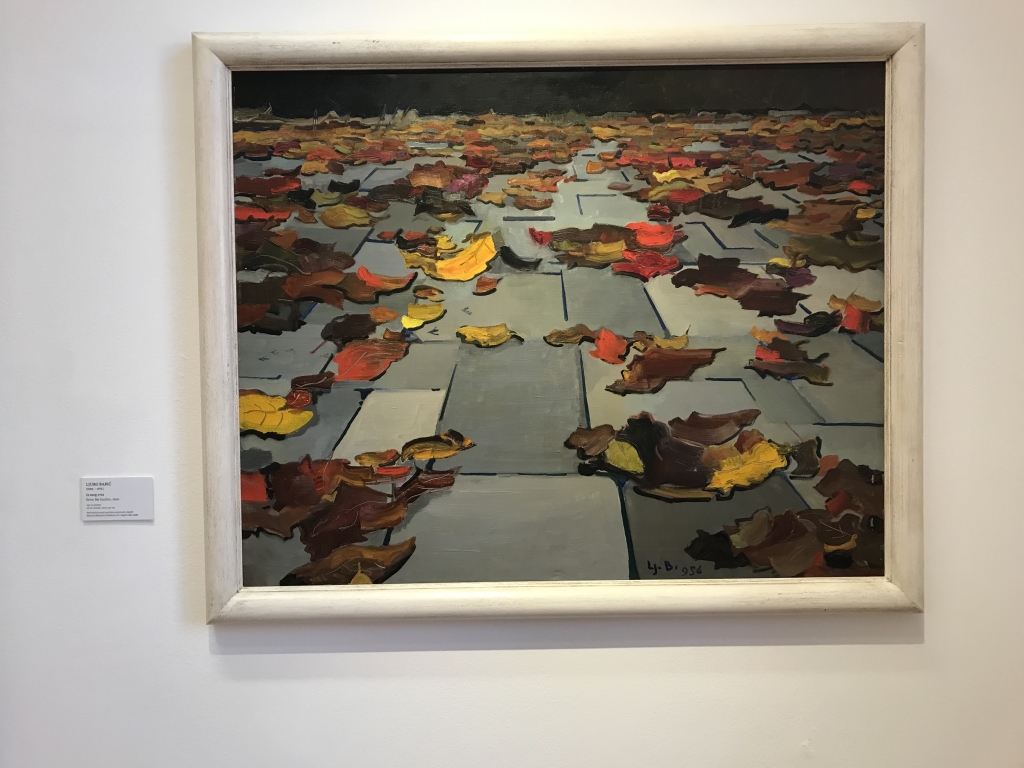
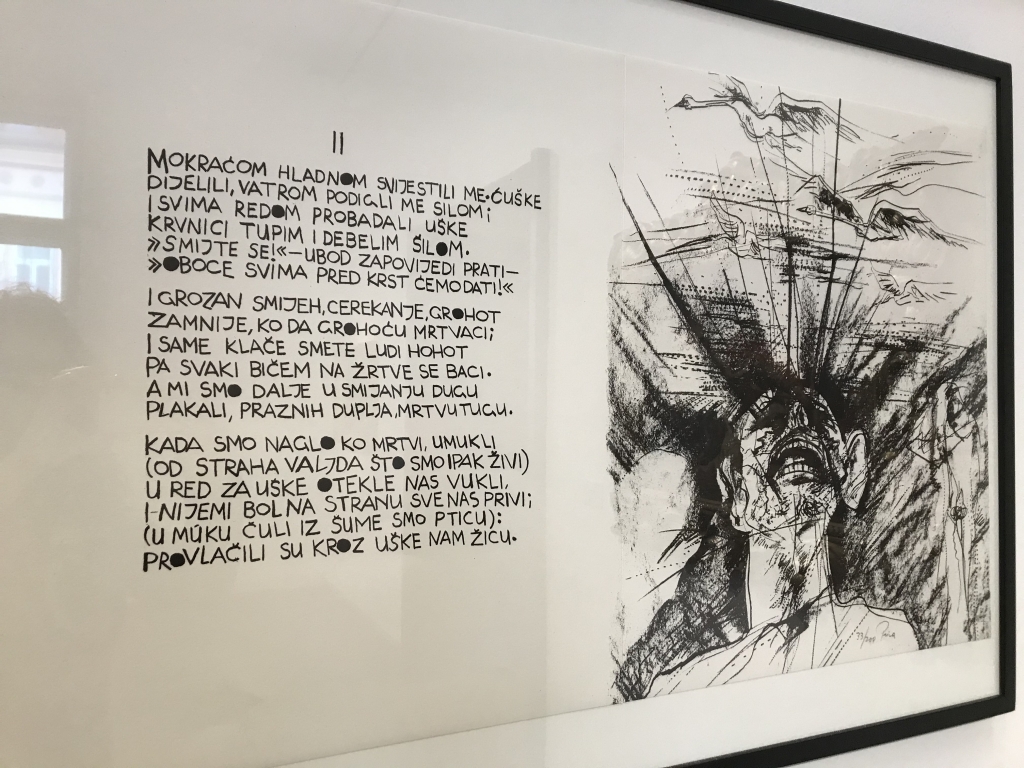
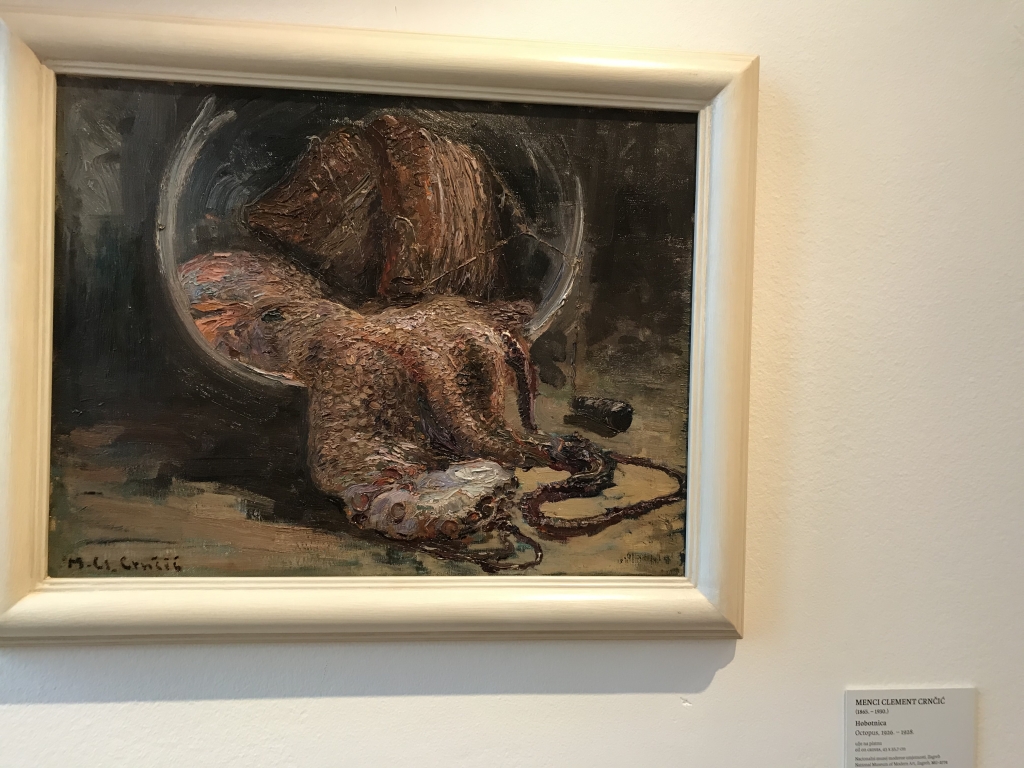
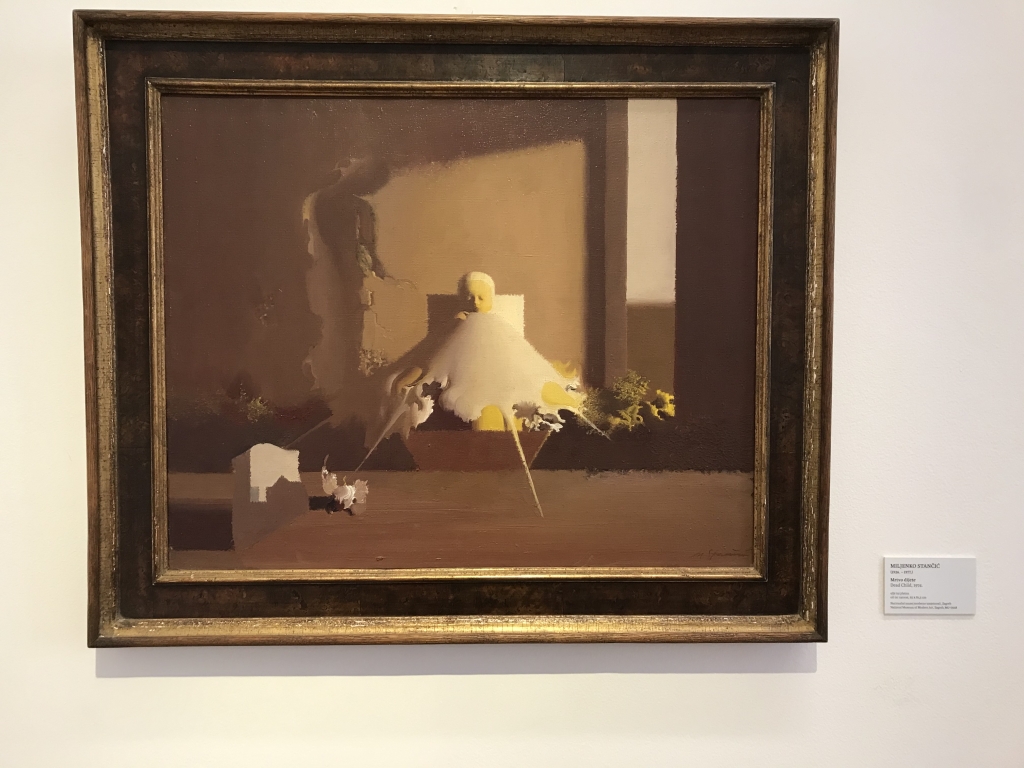
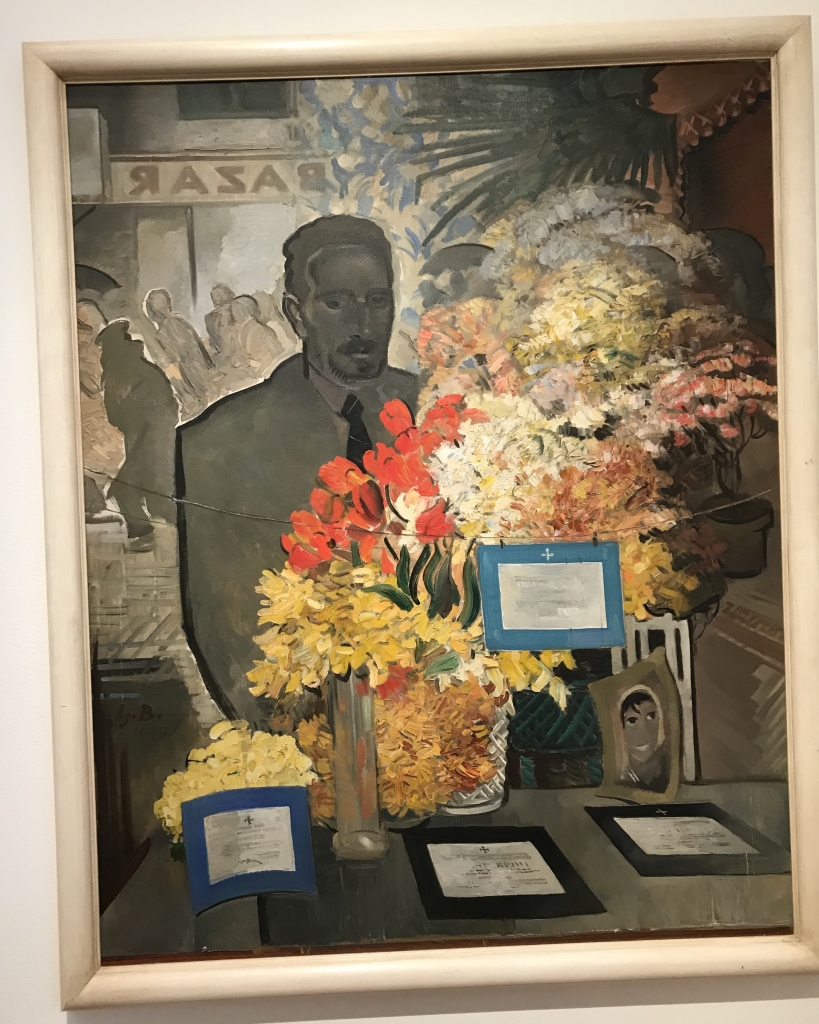
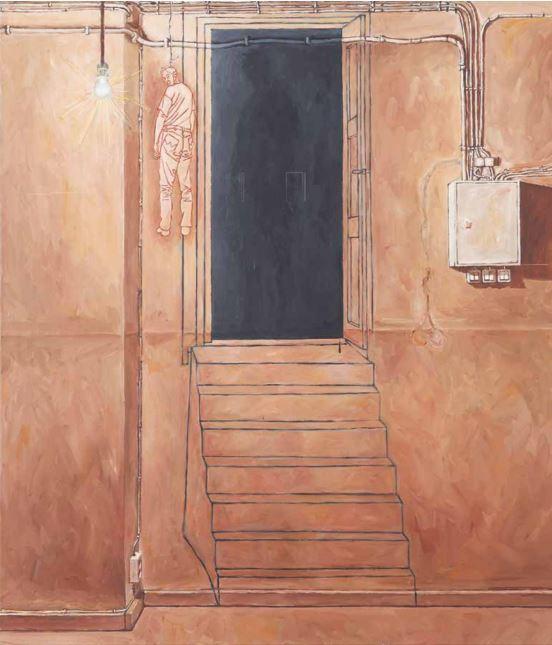
impressively the existential boundary – mortality and make an introduction to another exhibition: Exploatation of Death. Dying of everything in nature, mortality, often through the process, is the theme of this exhibition. Diana Vlaisavljević’s foreword exhaustively analyzes the presented works through the paradox of death (Judith and Holofernes, 1892 – Bela Čikoš Sesija, The Battle of Grobnik, 1906 – Celestin Medović, Adventure is Adventure, 2004 – Lovro Artuković), “meat is murder” (Dead Sheep, 1935 – Vladimir Becić), eschatology and the end of the world (Flood, 1932 – Krsto Hegedušić, Atomic mushroom – Kamilo Tompa), death as a biological fact (From my garden, 1956 – Ljubo Babić, After all – Stjepan Gračan), final farewells (At the door of death, 1904 – Mirko Rački. Dead child, 1954 – Miljenko Stančić) and death is not the end (Christian hope based on the critique of human weaknesses at the Crucifix, 1989 – Branko Ružić, through depictions of skulls and the motif of dance macabre – Đuro Tiljak, Hrvoje Šercar, Vanja Radauš).
Unlike Kiki Smith’s sincerity and primacy in her approach to existential art, the title Exploatation of Death cannot escape the impression that this is, linguistically speaking, a parasitic position of civilization, and to a sincere artist this depravity through human fear or greed should not be the goal. To conclude in the end of narrative philosophy: “whereof one cannot speak, thereof one must be silent“ (Wittgenstein).
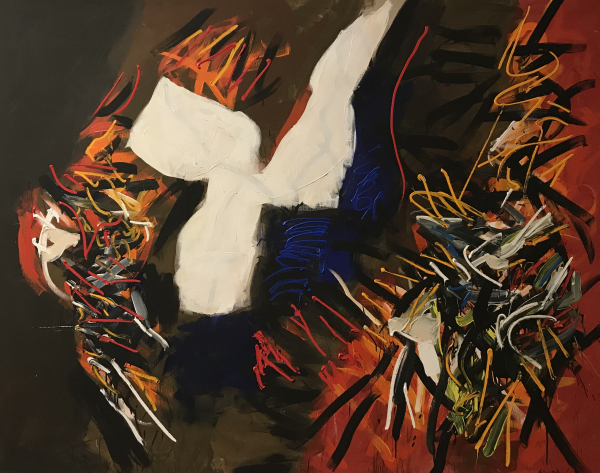
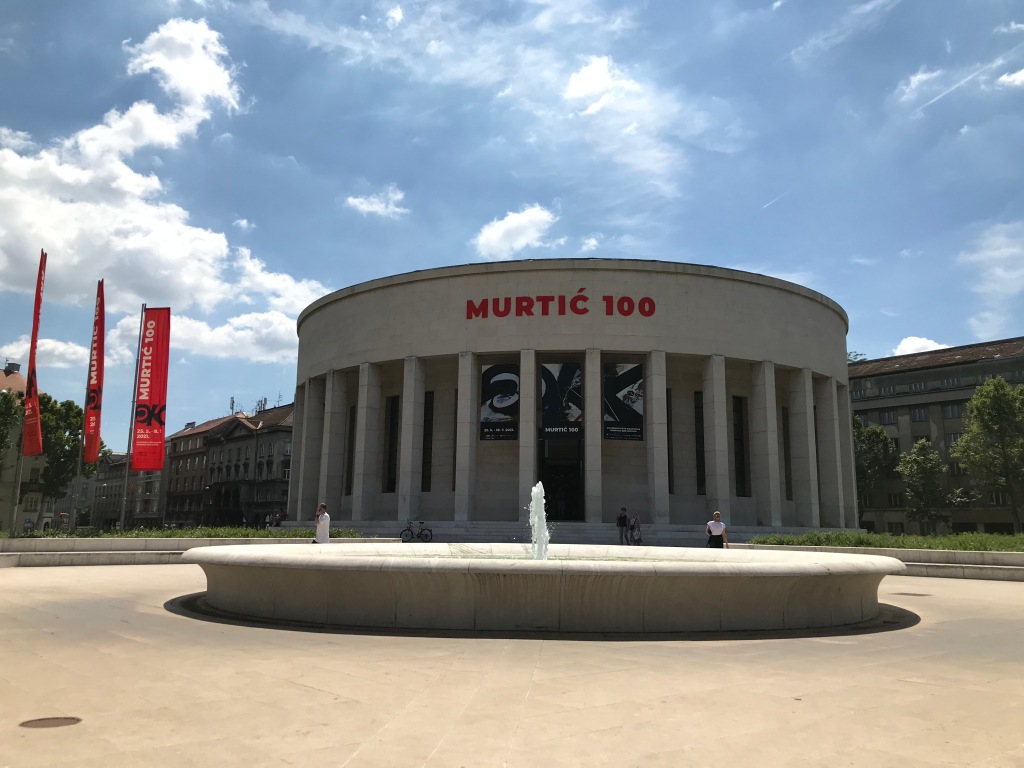
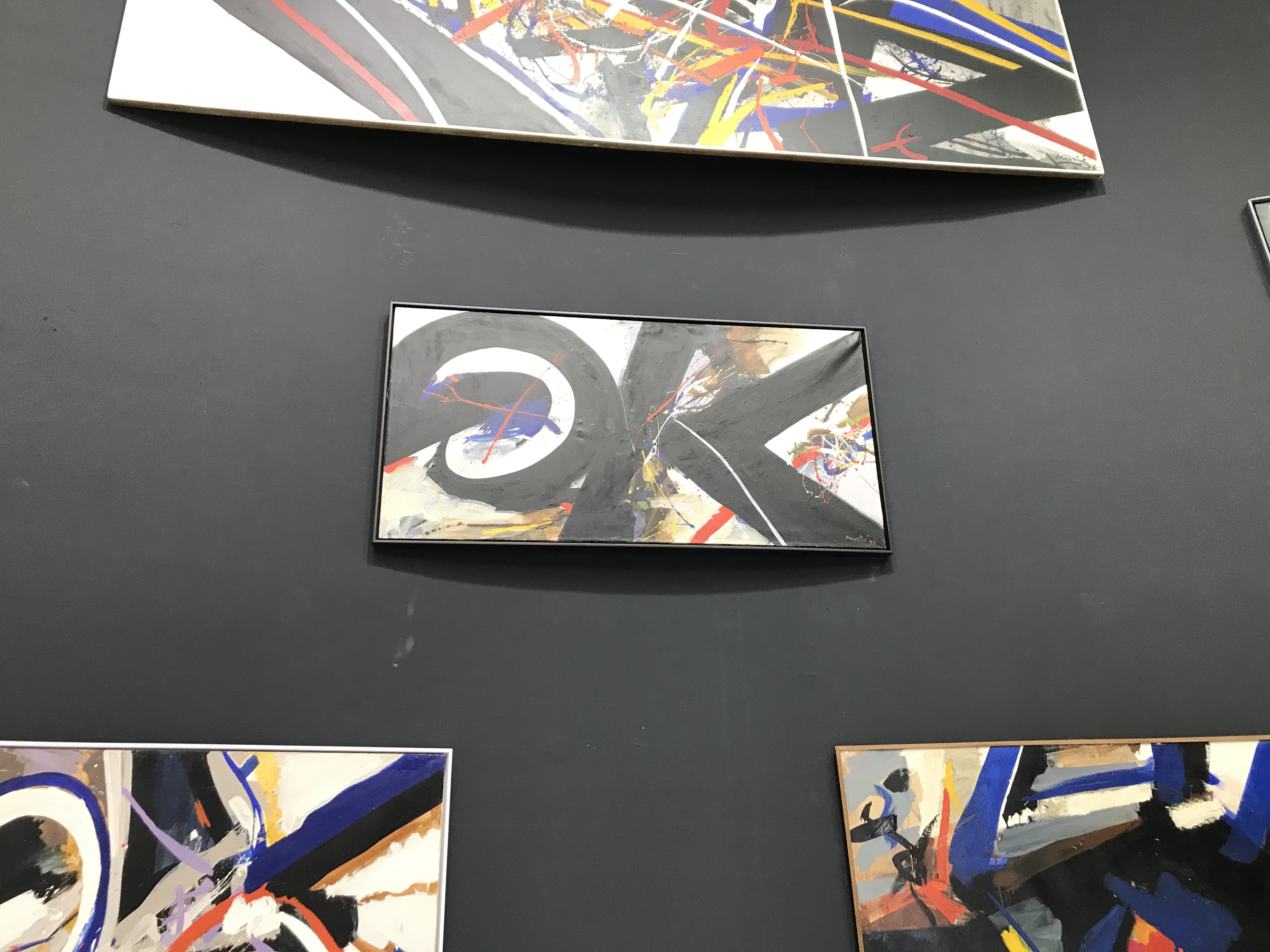
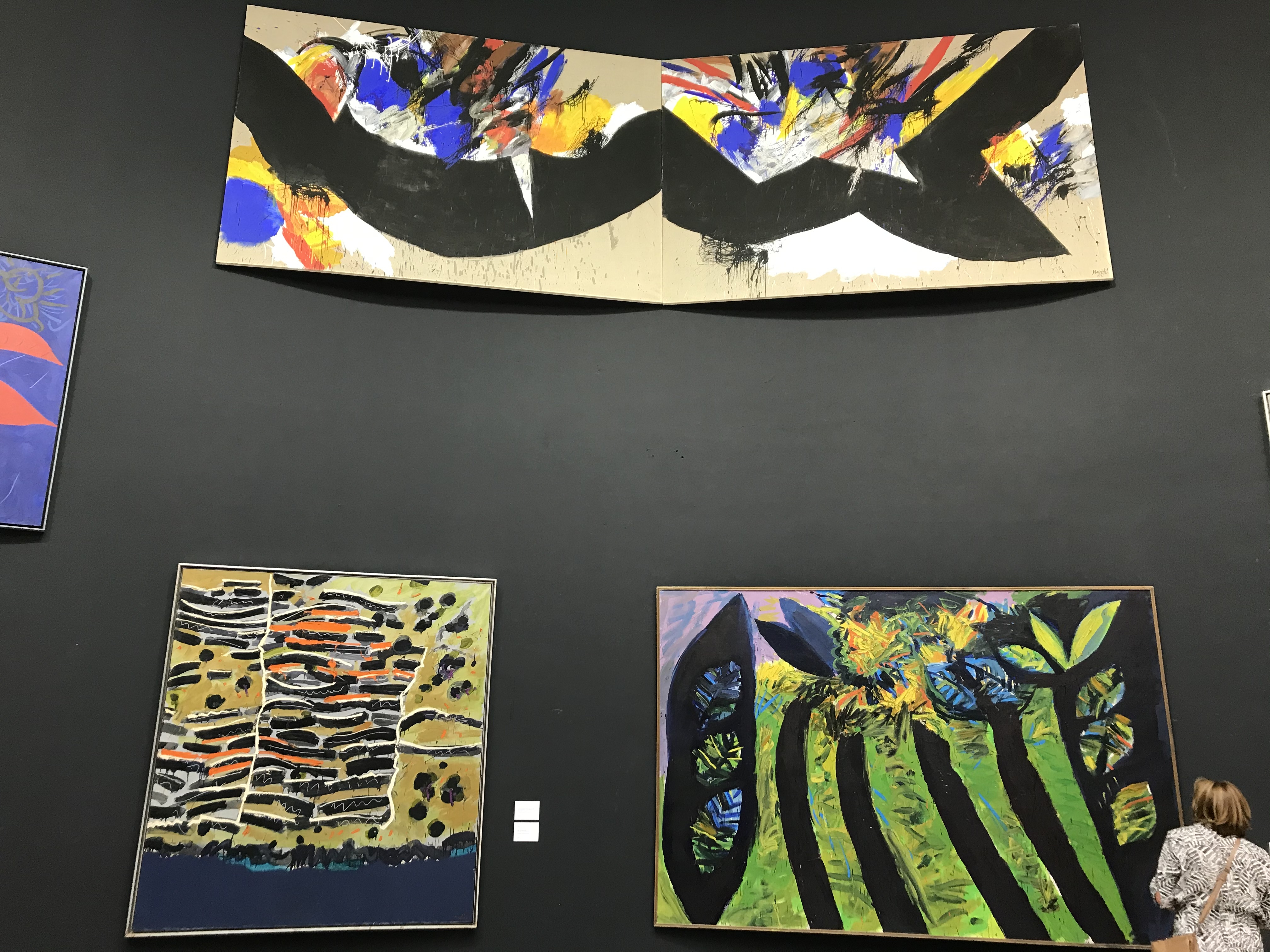
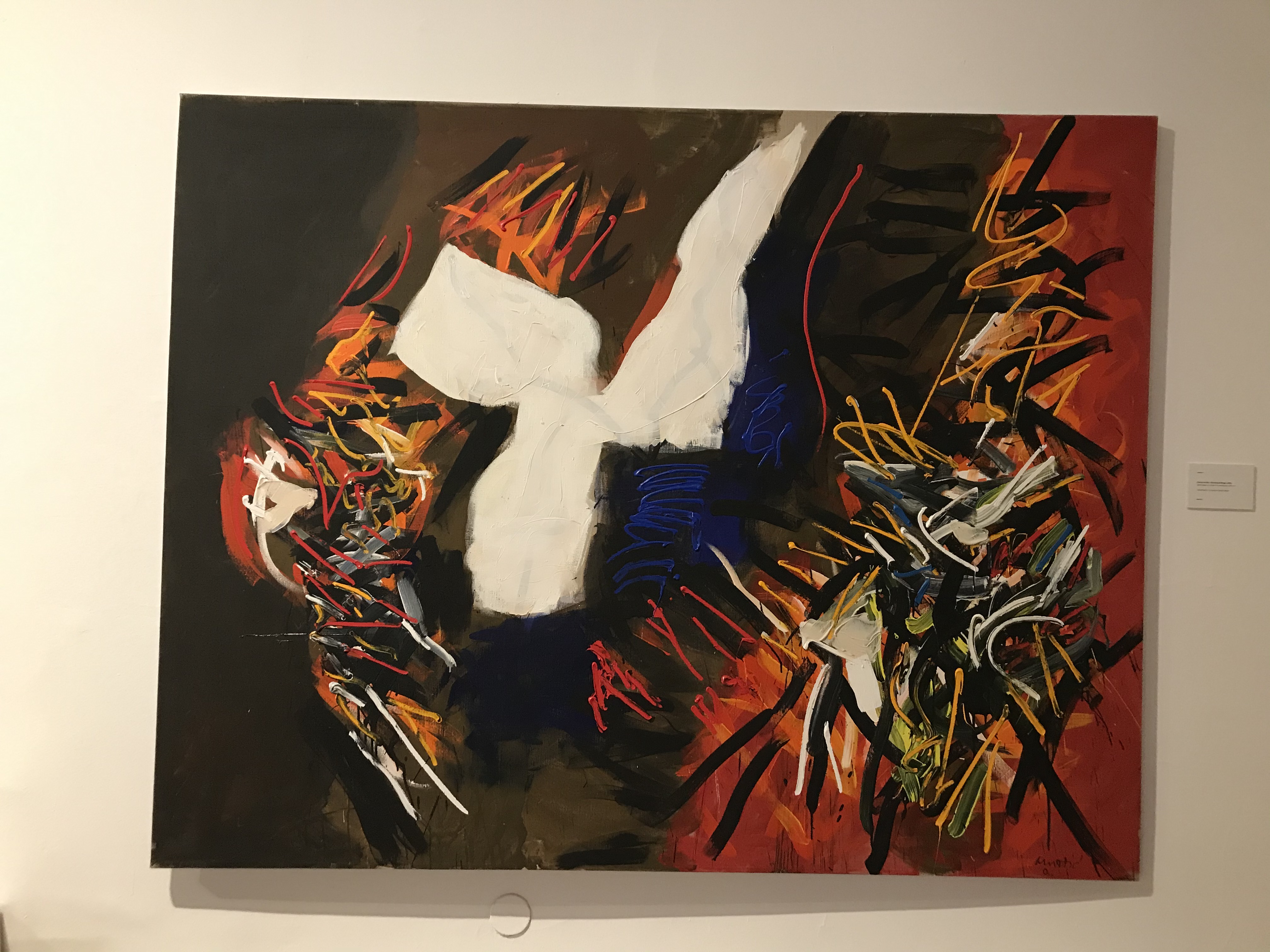
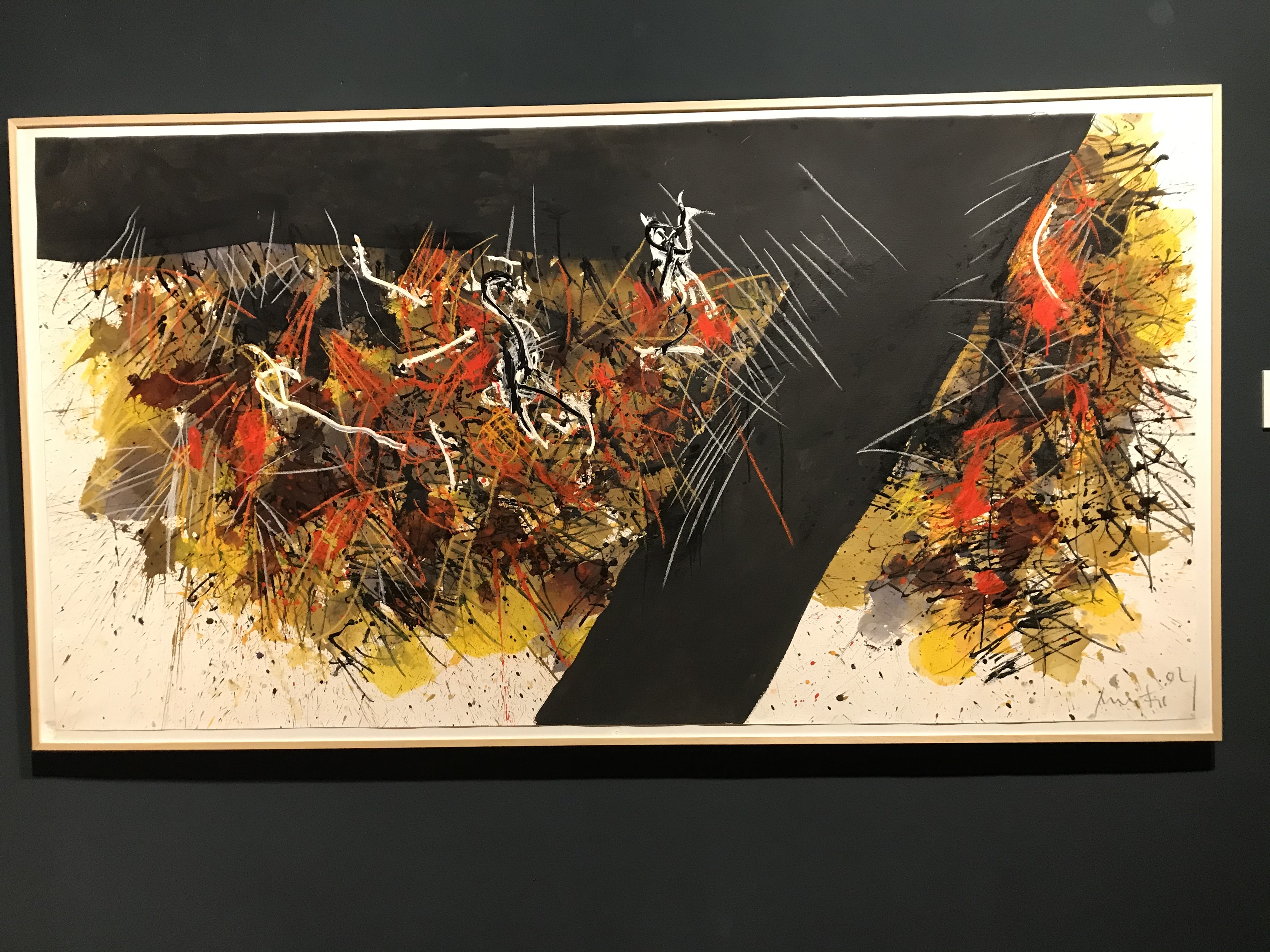
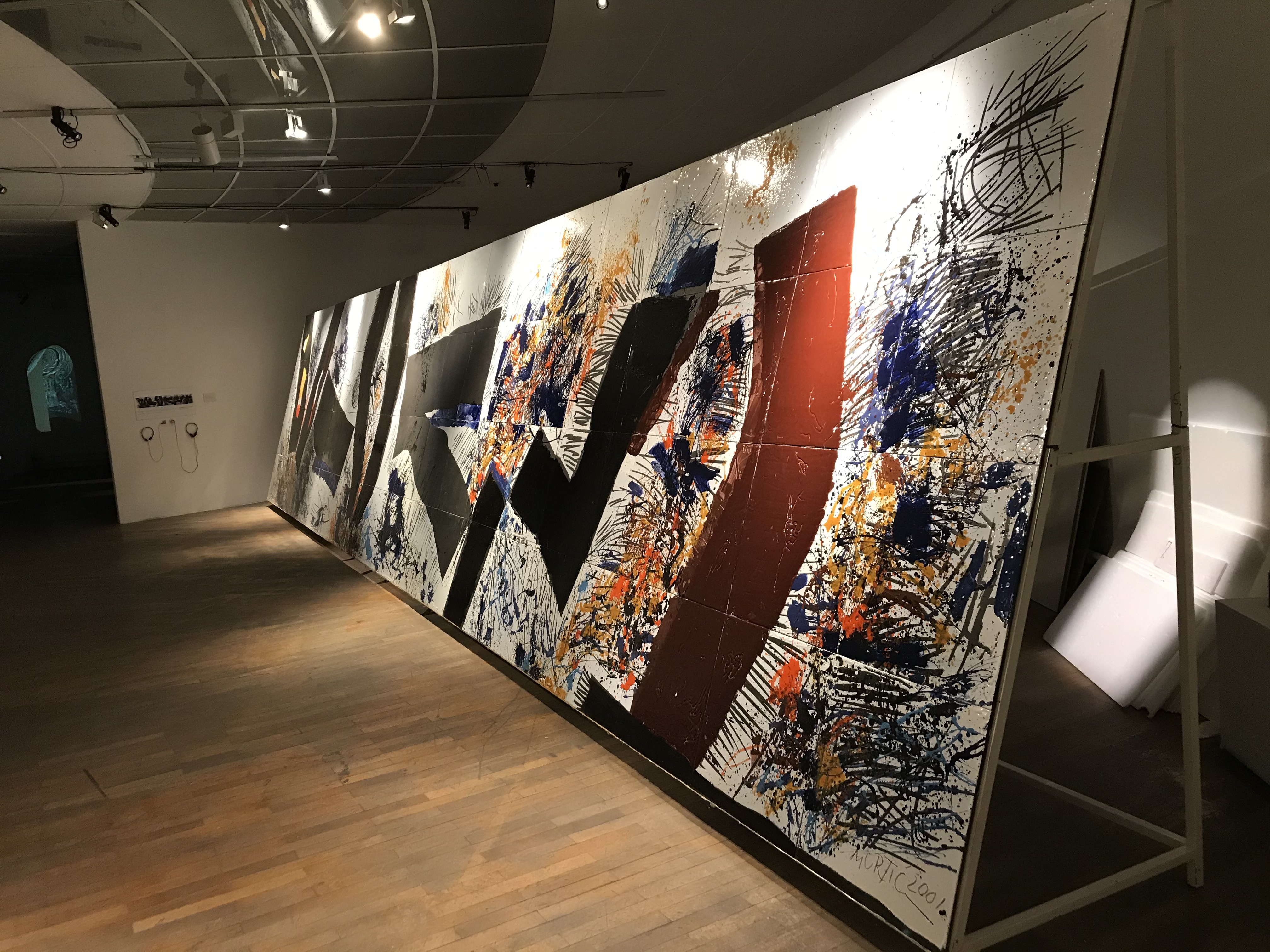
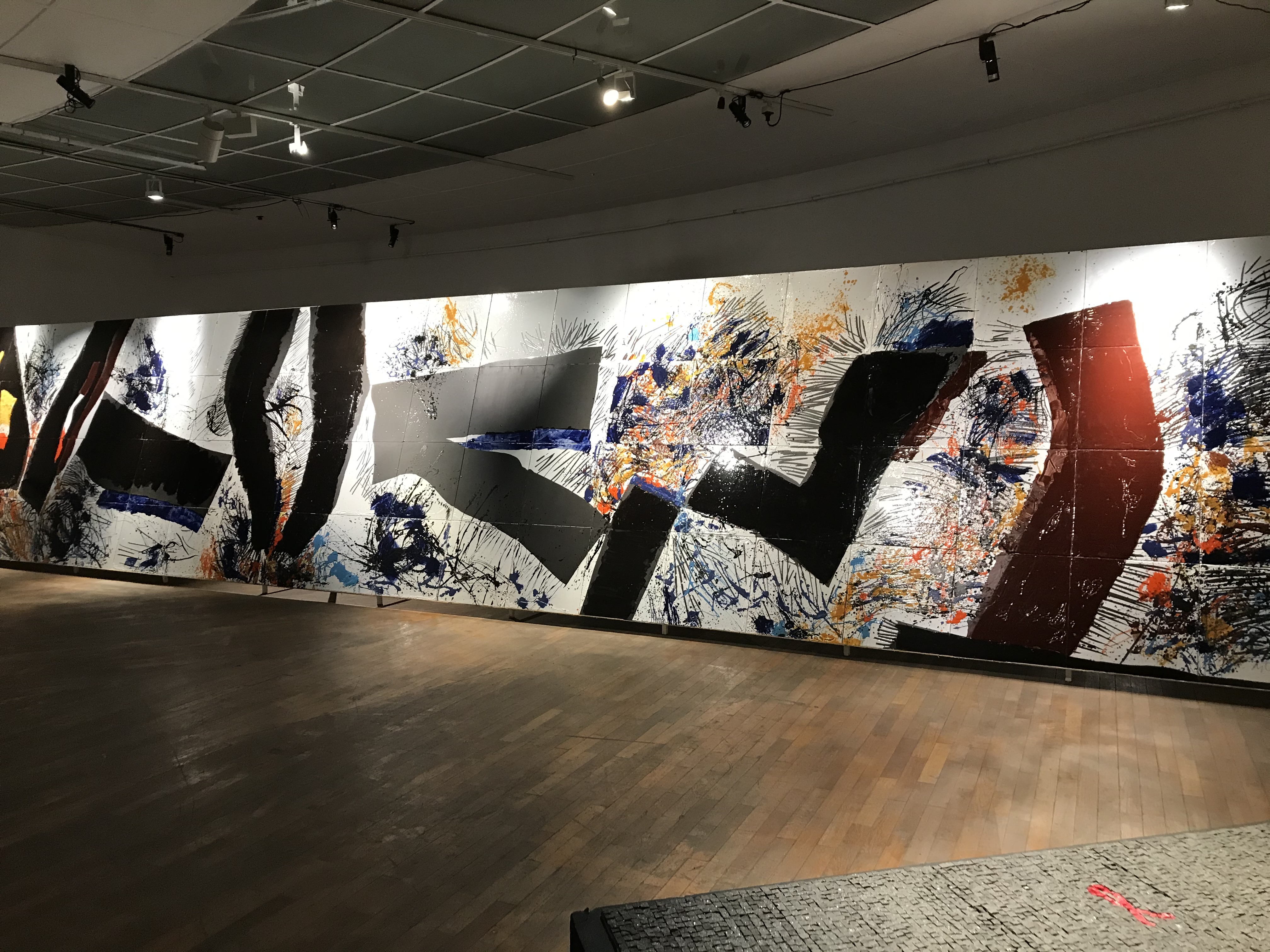
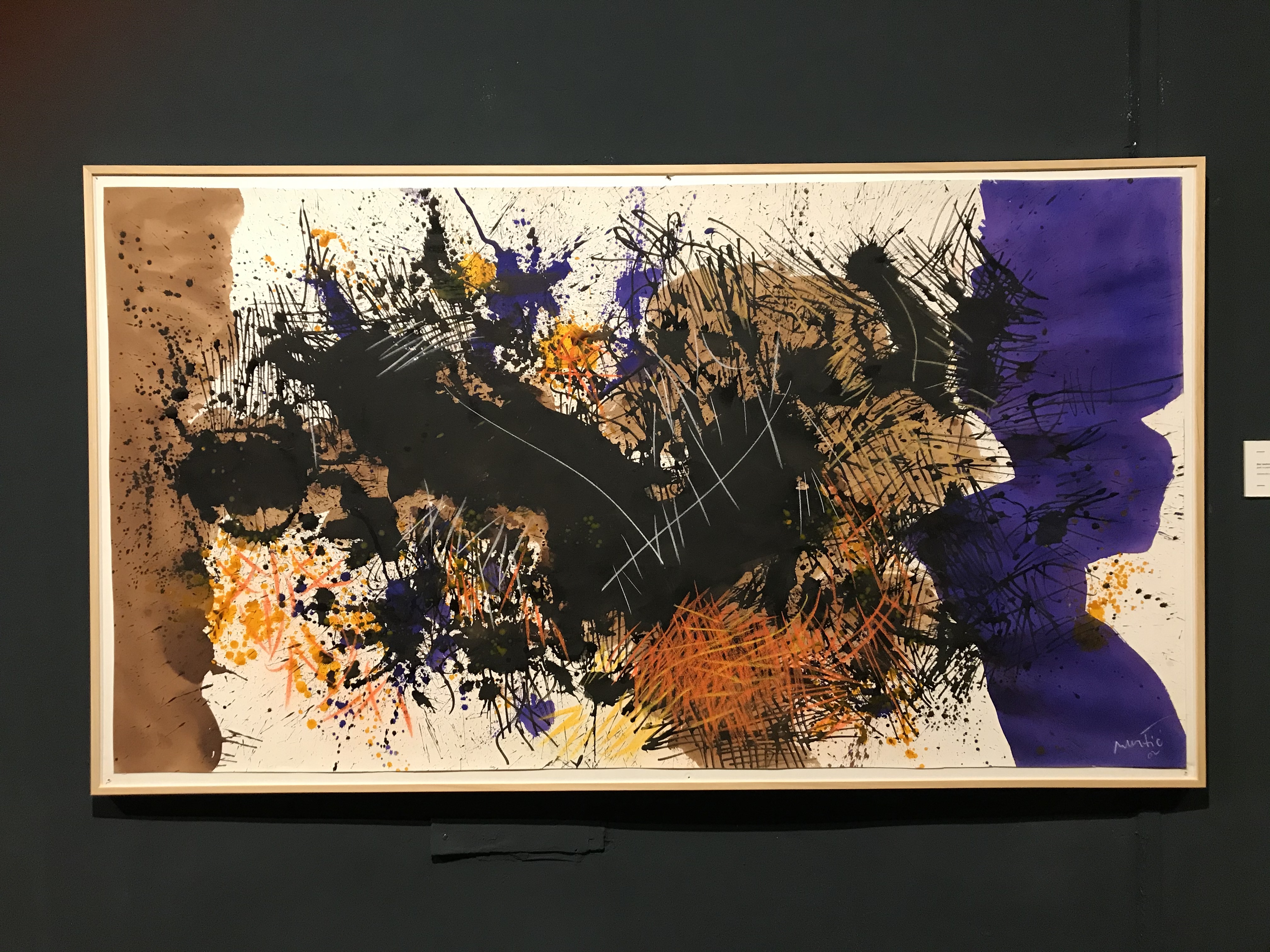
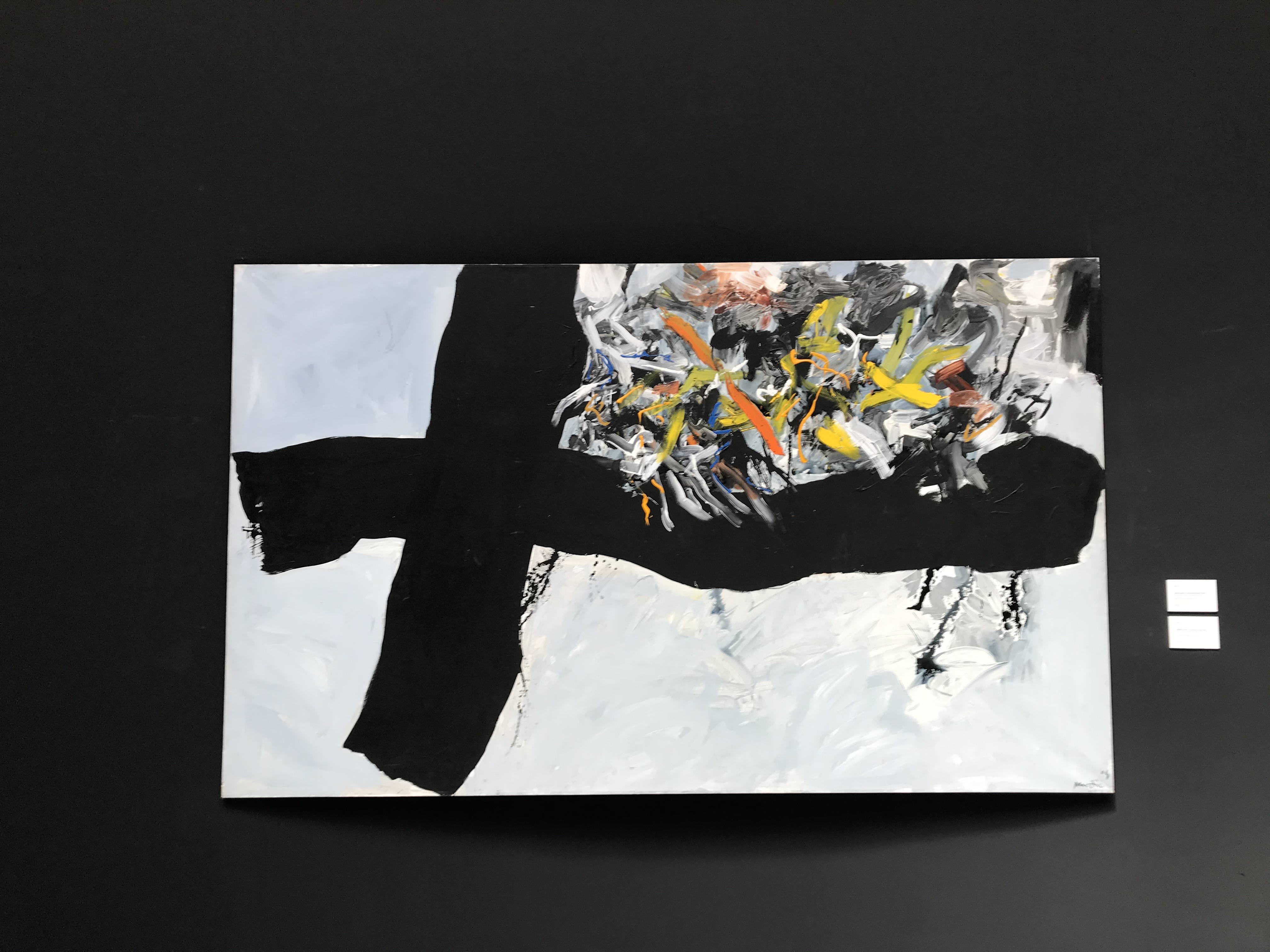
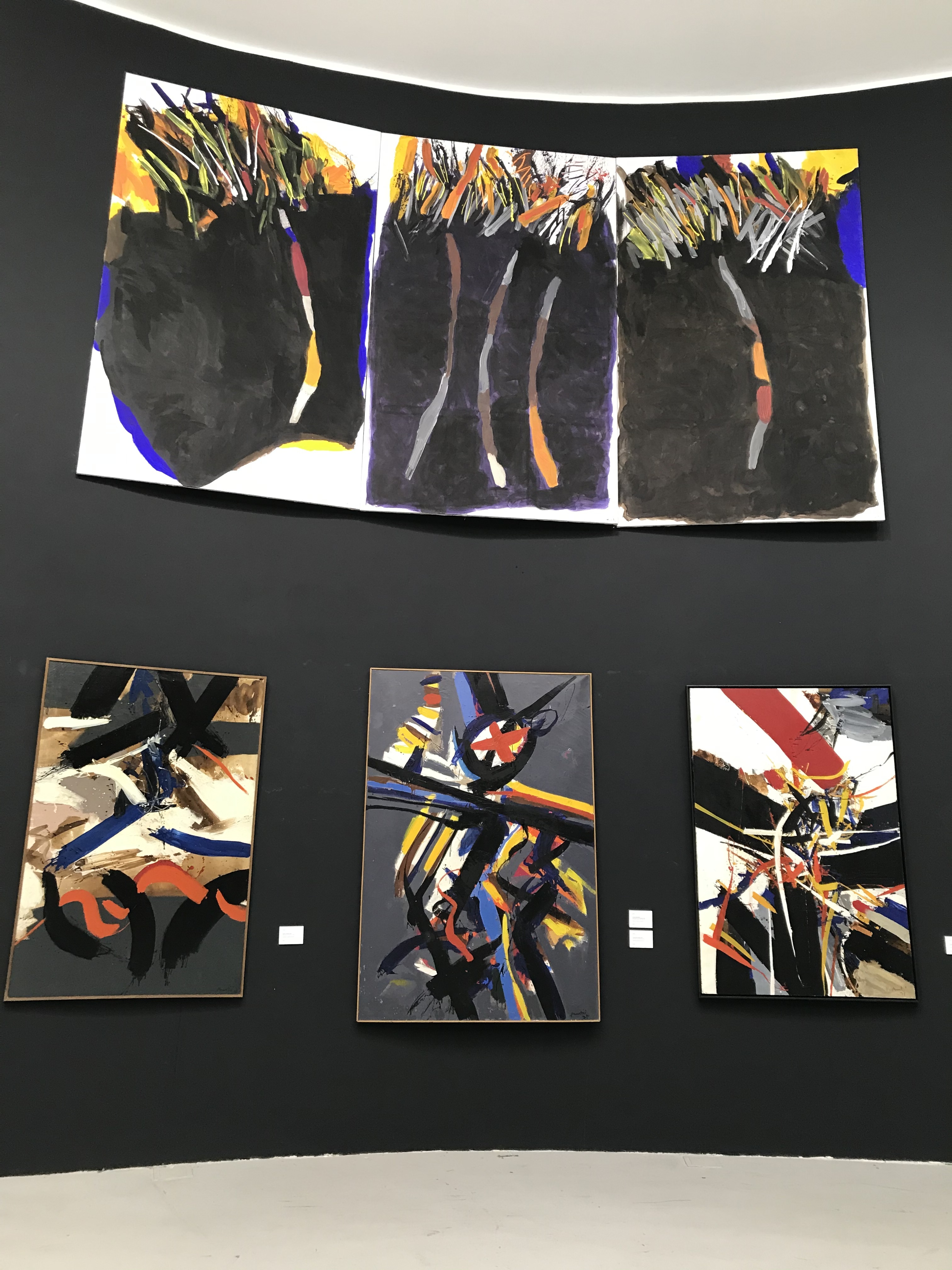
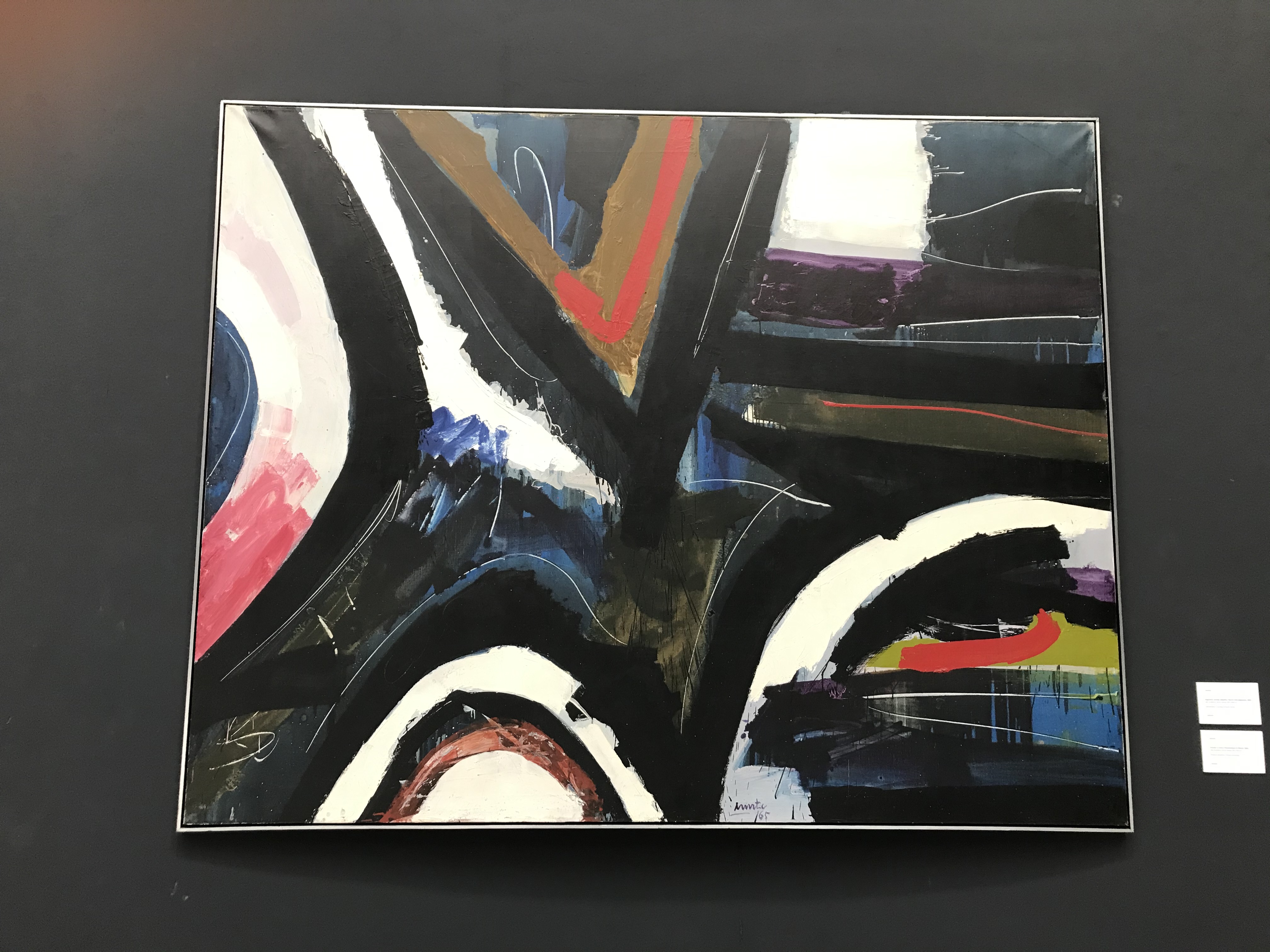
Croatian multimedia exhibition MURTIĆ 100 celebrates the centenary of the birth of the internationally famous Croatian painter of high modernism gestural abstraction Edo Murtić.
To feel liveness in our depths we have to live in constant new, although life more or less delivers boring moments to people. We have to be aware of the contrast: organic spontaneity versus a routine as the brakes by non ritual repetition. The (ritual) routine can calm you down, but if you want to live your meditative center you choose (poetical) presence and the intensity of expression.
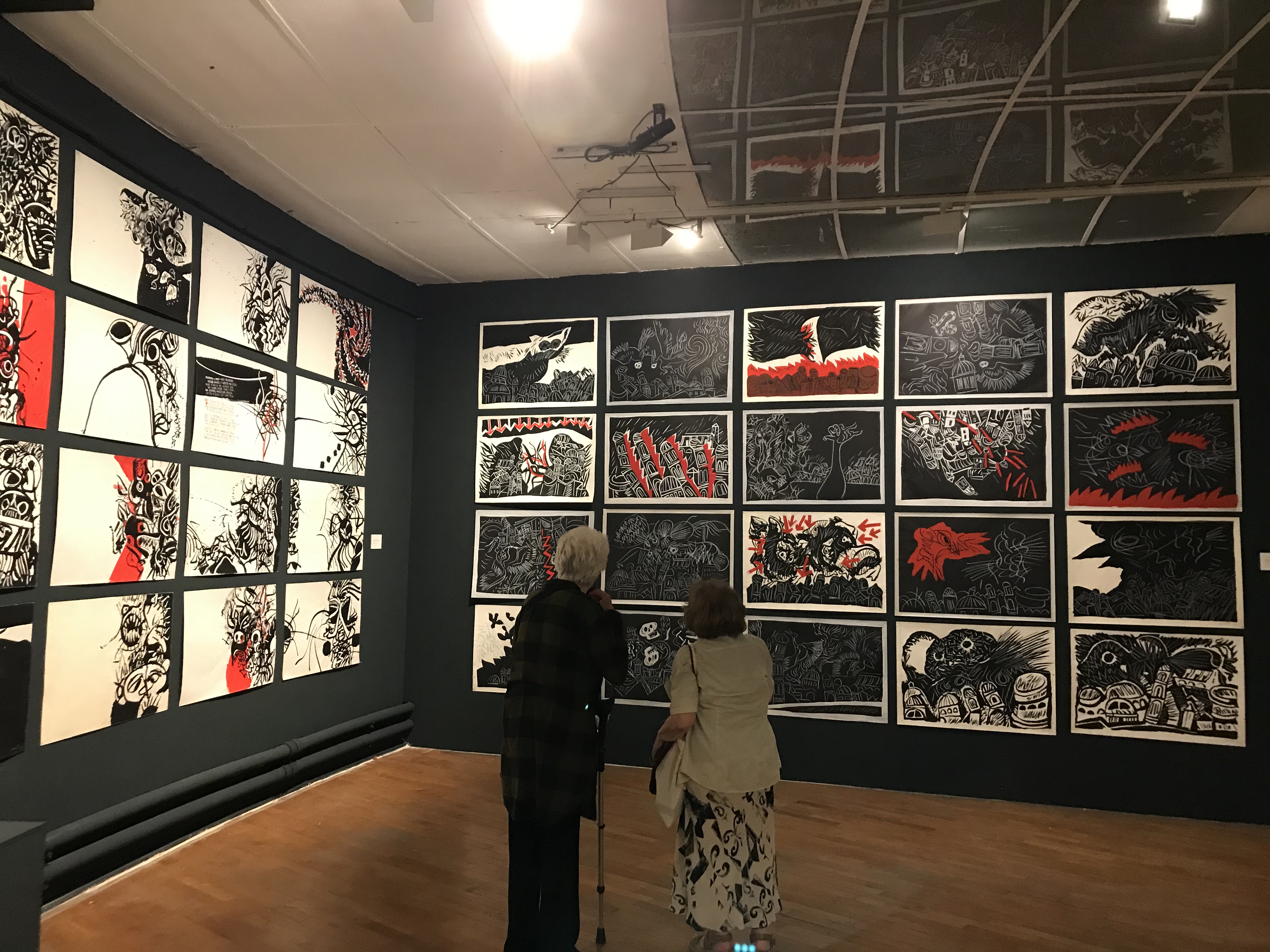
To paraphrase the agile curator Branko Franceschi‘s preface to the exhibition – multimedia exhibition MURTIĆ 100 celebrates the centenary of the birth of the internationally famous Croatian painter of high modernism gestural abstraction Edo Murtić, set in the vertical space Home HDLU in Zagreb on three levels: Bačva Gallery (iconic paintings), PM Gallery (the enduring challenges of reality as ati-war themes) and Prsten Gallery (division into abstract and figurative art, graphics and drawings, ceramics and enamel, multimedia installation by Ivan Marušić Klif on mosaics and murals in public spaces).
This exhibition perfectly combines technical multimedia with multimedial art as it stresses the synergy of gesamtkunstwerk.
But the most important is the great work of exhibition booth setup idea in the means of integration of art and intrinsic education: Art workshops A game of Murtić’s colors (for kids between 5 and 10 yrears), Go Big (for kids between 10 and 15 years), Abstraction of Nature (for the elderly), then lecture I Can Paint that too (for high school students and adults) and Reinterpretation of Edo Murtić through street art and finally International Symposium Gesture and Freedom.
To feel liveness in our depths we have to live in constant new. Life more or less delivers boring moments to people. We have to be aware of the contrast: organic spontaneity versus a routine as the brakes by non ritual repetition. The (ritual) routine can calm you down, but if you want to live your meditative center you choose (poetical) presence and the intensity of expression.
The routine as mechanical or machine thinking and using of Artificial intelligence if prevail can stop our freedom. Murtić’s impressive abstract gestural works also oscillate between more or less freedom. Although some works are stuck in authors freestyle routine, enormous vital energy of Edo Murtic stayed to beautify and free our lives.
PhD. Vesna Srnić, docent
MV (photos and video with permission of curator Branko Franceschi)
Professional video of the Zagreb artist Matija Kralj: the international performance Glocal Art: Counterpoint Harmony,held in Slavonski Brod on May 8, 2021. Project author was PhD. Vesna Srnic, composition created by prominent University professor Predrag Repanic in collaboration with Dr. Kruno Martinac, MA Mus. Aljaz Razdevsek, MA Arch. Siniša Tomic and Musician Tomislav Brezicevic. Performance contemporary dancer was Nastasja Stefanic and video art creator Matija Kralj from Zagreb.
By combining the artistic process into a harmony of free variation and contrast punctus contra punctum or point against point, we created a dynamic performative composition. We have woven the differentiation of the stylistic identities of the musicians into the stimulating, minimalist What Lies Hiddenat the Root of an Obscure Edifice matrix of a professional composer. Each of the musicians, mostly related by birth in the same city of Slavonski Brod, but now from different parts of the world, from Australia (Dr Kruno Martinac) through Europe (University Professor Predrag Repanic, MA Mus. Aljaz Razdevsek, Musician Tomislav Brezicevic) to Canada (MA Arch. Siniša Tomic), innovated from their environment a representative audio sample of authentic and complex integration into the cantus firmus matrix, with the subsequent fairly summarize procedure done by the Professor of composition.
The resulting intelligent quantum / holographic fractal (pars pro toto) of consecutive octaves with consecutive spacing error tolerance is going to be exposed intensively in a specific place (Town Square), at a specific time (12 AM) for 15 minutes and accompanied with contemporary dancer Nastasja Stefanic from Zagreb in front of the urban citizens and students on a multimedia assignment.
It will be another NGO ARTHEA’s glocal call to the City and the World to live aesthetic and ethical values.
PhD. Vesna Srnic, Associate Professor, UNISB
NGO Culture, media and education – ARTHEA president
Ministry of Culture and Media in Republic of Croatia informed on their official web pageabout our performance which will be held on May 8 (Saturday) in Slavonski Brod:
Final e-learning work of 2nd year students of the Teacher Education Department at the University of Slavonski Brod (UNISB), within the course Contemporary Media in Literature Teaching, under the mentorship of PhD Vesna Srnić, research associate.
Performance Glocal Rhythms of Emancipation organized by the civil association Culture, Media and Education – ARTHEA and in cooperation with the Elementary School Ivan Goran Kovačić, Crafts School and the Faculty of Education in Osijek, department in Slavonski Brod was performed on Saturday, May 23 on the main city square at 12 o’clock, in front of several hundred citizens.
A group of students attending classes on regular, individualized, adapted and gifted program Marija Cernecki, Luka Mrvelj and Kasijan Kristic presented an urban walk with “marching drums” and electronic music. Moderators were two students of the Faculty of Education in Osijek, department in Slavonski Brod – Marko Mrsic and Andrea Josipovic, and the other 80 students were creating multimedia tasks for the course Media Culture, which is taught by the author of the performance PhD. Vesna Srnic who is also the president of the civil association ARTHEA.
In the scientific part, the project is commented in the publication with scientific articles by 6 eminent scientists: PhD. Lino Veljak, Head of the Department of Ontology at the Faculty of humanities and social sciences, University of Zagreb, Dr Kruno Martinac Associate for Visual Communications from Australia, PhD. Suzana Marjanic, Performance studies theorist from the Institute of Ethnology and Folklore in Zagreb, Dr Divna Vuksanovic, professor at the Faculty of Dramatic Arts and president of the Young peas association from Belgrade, psychiatry specialist MA Jugoslav Gojkovic from the Josip Bencevic Hospital in Slavonski Brod and PhD. Vesna Srnic, research associate at FOOZOS.
All results of the vertical educational and artistic / scientific project are published in printed and digital publication at the social network http://glocal-art.ning.com/ and will be published at the portal of the association Media-Via.Net as well.
The sponsors of the urban performance are the Ministry of Culture of the Republic of Croatia and the City of Slavonski Brod.
Culturenet.hr – portal of the Ministry of Culture of the Republic of Croatia, published the announcement of the performance.
Co-authors Ph.D Emina Berbic Kolar and Ph.D Vesna Srnic have published scientific paper Glocal, Holistic and Performative Education which Dr Srnic virtually presented at the Oxford conference New Approaches in Education on 27 March 2020.
We look at innovative education through a global and local approach to the philosophy of existence, known as glocalization, and through the psychological Gestalt of experiencing a whole that is inevitably viewed within social science by a sociological holistic principle. Our glocal, holistic, aesthetic practice has been experienced and realized through intensive performative education that enhances the existential capacity in multi / media projects through the humanistic approach, affectively using digital framing.
On 27th March 2020 at the 2nd international icnaeducation online conference “New Approaches in Education” in Oxford, Ph.D. Vesna Srnić presented the scientific paper “Glocal, Holistic and Performative Education” co-authored with Assoc.Prof. PhD. Emina Berbić Kolar, Vice-Dean of the Faculty of Education in Osijek. In the paper we have presented performative arts in education as a long-standing practice of the Faculty, which promotes and encourages curricular reform in the Republic of Croatia.
“We look at innovative education through a global and local approach to the philosophy of existence, known as glocalization, and through the psychological Gestalt of experiencing a whole that is inevitably viewed within social science by a sociological holistic principle. Our glocal, holistic, aesthetic practice has been experienced and realized through intensive performative education that enhances the existential capacity in multi / media projects through the humanistic approach, affectively using digital framing.”
Works of Croatian female artists from the late 19th to the 21st Century (February 6th – April, 14, 2020)
The Art Pavilion in Zagreb is starting its exhibition season with the show Zagreb, City of female Artists. The exhibition is being specially put on to mark the Croatian Presidency of the Council of the European Union, and also in honor of Zagreb, capital of the Republic of Croatia, from which the Government of the Republic of Croatia will preside over the Council of the European Union.
The basic idea of the exhibition is to provide a historical and critical cross-section from the oeuvres of those women visual artists who worked and left a record of themselves in the cultural life of the city of Zagreb in a period stretching from the end of the 19th century to the present age.
Within this relatively wide span of time, the generations of women artists are presented in three large, historically logical units The first covers the generations that were at work up to World War II; the second, those generations who started their exhibition activity after World War II and produced the major part of their work in the following decades; the third unit comprises the generations who appeared on the scene in the early seventies and later, and are, most of them, still at work.
This slideshow requires JavaScript.
The exhibition covers a hundred works: the paintings, sculptures, video performances, audio and video installations of the most significant women artists from the end of the 19th century, starting with Anka Bestall, Slava Raškaj, Lina Crnčić Virant, Nasta Rojc, Mila Wod, Sonja Kovačić-Tajčević, Anka Krizmanić, Vera Nikolić Podrinska and Zdenka Ostović Pexidr Srića; it goes on with Nevenka Đorđević, Ksenija Kantoci, Marta Ehrlich, Mila Kumbatović, Melita Bošnjak, Miranda Morić, Milena Lah, Vera Josipović, Vesna Sokolić, Borka Avramova, Vera Fischer, Vera Dajht Kralj, Tonka Petrić, Biserka Baretić, Marija Ujević, Ljerka Šibenik, Goranka Vrus Murtić, Nives Kavurić Kurtović, Zdenka Pozaić, Edita Schubert, Marijana Muljević, Sanja Iveković, Jadranka Fatur, Nevenka Arbanas, Vesna Popržan, Breda Beban, Nina Ivančić, Zvjezdana Fio and Dubravka Rakoci, continuing with Vlasta Delimar, Vesna Pokas, Kata Mijatović, Amela Frankl, Ksenija Turčić, Mirjana Vodopija, Vlasta Žanić, Kristina Leko, Božena Končić Badurina, Magdalena Pederin, Nika Radić, Ivana Franke, Martina Mezak, Ana Hušman and Andreja Kulunčić with the women’s collective ISTE (EQUALS ).
On Saturday, 19th October 2019, The Croatian National Theatre (HNK) in Zagreb, Croatia inovativelly presented premiere of famous philosopher Slavoj Žižek’s Antigona, directed by the German/Croatian theatre director and activist Angela Richter, thus positioning itself at the top of European theatres.
In the first 20 minutes the play is frontal multimedia and then it becomes a total work of art, introducing the surprising performance art of the choir characters from the audience: randomly judging from the left, right and back balcony, as well as from the audience parterre. Choir characters were accompanied by a spotlight and a video camera with simultaneous projection.
The auditive, musical part of the play was impressively fitting into visual multimedia.
Firstly Žižek adhered to the classic content of the tragedy, but then technically and humorously by „flashback“ restrospection he examines three possible, elaborated solutions: in addition to the classic ending, Žižek recognizes a rigid or fundamentalist actuality, and finally he directly questions political thinking and leader’s responsibility. Appearing personally as a huge projection, Zizek harnessed the holistic and existentialist potential, like the great creator of proposed trinity (thesis-antithesis-synthesis).
Which of the three versions is the correct one?! The prophet Tiresias concludes that only in solitude by stopping the buzz of the world, we stop the chaos.
Still, the impression of over-controlling the play remains, it lacks the kind of „camp“ freedom, performative anarchy, although there were rhythmically impressive experimental audio-visual breaks in the play directed by Angela Richter! In my oppinion this could be achieved with a deeper and greater momentum towards the real audience, not filmed before the play, including all audio-visual risks.

 The first-year students of The Faculty of Culturology in Osijek (Croatia,
  Europe) had to make experiments with glasses, light and liqu
 id as a topic named “Creative Glasses” while attending “New Me
 dia Genres” board, lectured by M.A. Vesna Srnic, Art Historian and professor of Comparative Literature. Students have inventively made photographs of glasses as the abstractions, using only their cell phones! The aim of this project, realized at the seminary, was to encourage students to explore and reinvent the Reality with a new approach to seeing.



















 Media-Via